
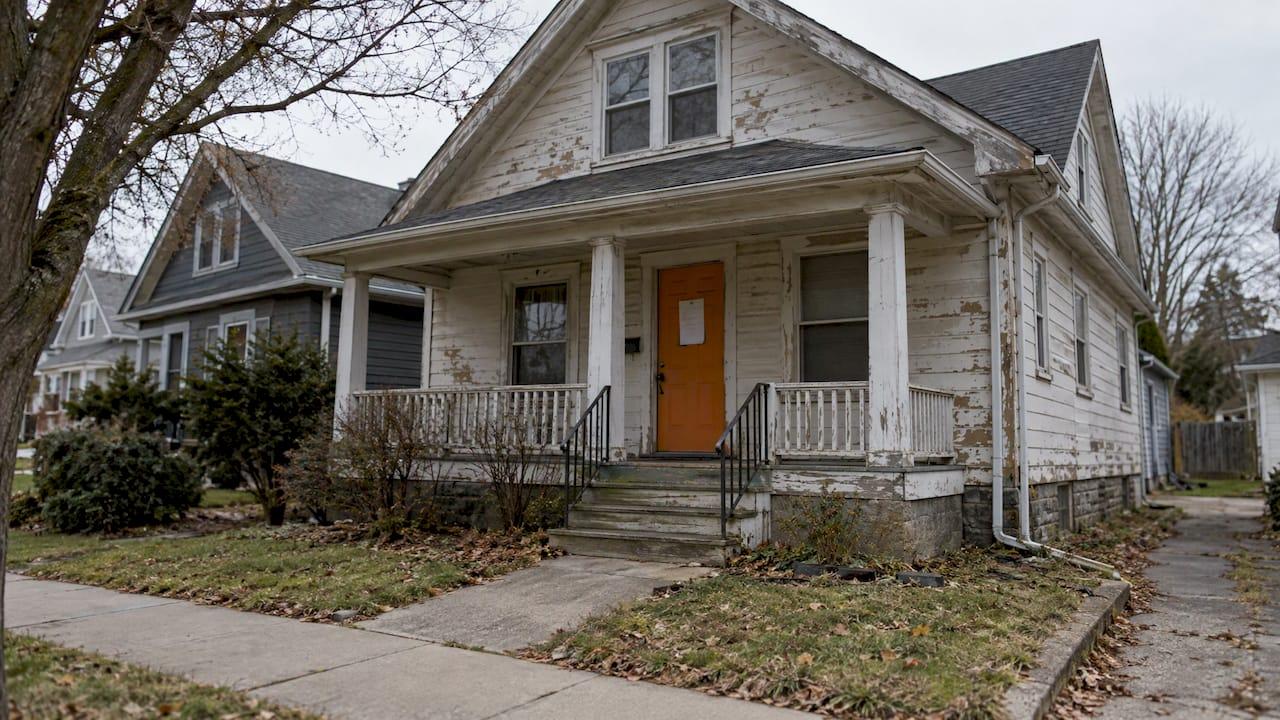
Yes, you can sell a house that has a demolition order on it. The order does not forbid a sale or transfer, but it stays attached to the property and passes to the new owner, according to the City of Baton Rouge's official FAQ. So the real question is not whether you can sell. It is who will buy a property with that obligation, how fast, and what the deadlines on the order mean for your timing.
This guide explains how a demolition order works, what you must tell a buyer, how to appeal or pause the order, what happens if you ignore it, and which selling routes are realistic.
TL;DR
- A demolition order does not block a sale. It is an encumbrance that follows the property to the next owner.
- Deadlines are short. One Florida city, for example, gives owners 20 days to appeal or 30 days to demolish or fix the problem.
- Disclose what you know. Disclosure rules vary by state, and hiding an open order invites legal trouble.
- Ignoring the order can bring fines, city-performed demolition billed to you, liens and, in some cities, misdemeanor charges.
- Few retail buyers can close on a property like this. A direct cash buyer who purchases as-is can, and we do.
Table of Contents
- What a demolition order actually is
- Can you sell a house with an active demolition order?
- What you must disclose to a buyer
- How an order affects title and a buyer's investigation
- Who pays for demolition, fines and liens
- Deadlines and how to appeal or pause an order
- What happens if you ignore the order
- How the rules differ by state and city
- Your realistic options
- Our perspective
- Get a cash offer for a property under a demolition order
- FAQ
- Sources
What a demolition order actually is
People use "demolition order," "condemnation" and "code violation" as if they were one thing. They are steps on a ladder.
A procedures document from the Miami Valley Regional Planning Commission describes a typical path. A code official issues a Notice of Violations to the owner. If the building is unsafe or unfit to live in, a Notice of Condemnation accompanies it. If the owner does not appeal or comply in time, the city can issue a Demolition Order. The same document says that when repairs would cost more than 100% of the property's current value, the official can order the building razed without offering the owner a chance to repair.

The legal basis can differ. The UNC School of Government explains that a minimum housing order asks whether a dwelling is unfit for habitation and typically rests on a finding that repair is economically infeasible. A condemnation for a dangerous building focuses on a threat to public safety, and the city can act regardless of repair cost. That example is from North Carolina, so check how your own state frames it.
One more source of confusion: Owners Counsel notes that "condemnation" can also mean eminent domain, where a government takes property for a public project. That is a different process. A code-based demolition order does not mean the city is buying your house.
Can you sell a house with an active demolition order?
Yes. The order is tied to the property, not to you personally. A sale does not erase it. The buyer takes the house along with the duty to comply, which is why the order shows up in a title search and in a buyer's inspection.
Some cities add their own conditions. Local codes may require you to tell the buyer about the order in writing, or to file a notarized statement with the code office before the transfer. Rules like this are local, so call your code enforcement office before you sign anything and ask what is required at transfer.
The practical effect is that the pool of buyers shrinks. A buyer using a mortgage generally cannot close on a building the city has ordered razed. Many agents will not list it. That leaves buyers who can pay cash, accept the property as-is, and handle the order themselves.
What you must disclose to a buyer
A demolition order is exactly the kind of material fact a buyer would want to know. The National Association of Realtors' consumer guide to seller disclosures says sellers generally must disclose material defects that may affect value, and that requirements vary by state and local law. In most states the disclosure is due before the buyer signs a binding contract.
In practice, put these in writing:
- The order itself, its date and its deadlines.
- The notices of violation or condemnation that led to it.
- Any fines, assessments or liens the city has recorded.
- Known structural, fire, water or mold damage.
- Unpermitted work, which often sits behind these cases. Our guide to selling a house with unpermitted work covers that side.
Disclosure protects you. A seller who stays quiet about an open order risks a failed closing, a lawsuit or both. A cash buyer who knows everything up front can price it in and move ahead without surprises.
How an order affects title and a buyer's investigation
Because the order attaches to the property, any careful buyer will run a title search and request records from the city. Open orders, recorded liens and unpaid assessments surface there. A buyer's lender, title company and attorney will all ask about them.
If you are weighing structural work to resolve part of an issue, a structural remodeling contractor can tell you what a repair scope involves. Be realistic, though. When an order rests on repair cost exceeding the building's value, fixing it may not be an option the city will accept.
Who pays for demolition, fines and liens
The owner does. If you do not act, the city can do the work and bill you. Daytona Beach, Florida, explains on its condemnation page that a lien may be recorded after demolition to recover the city's expenses. New York City's housing agency, in its orders guidance, says it can perform emergency repairs billed to the owner, and that an unpaid bill can become a tax lien that may be sold or foreclosed.

What that means for a sale: any recorded lien normally has to be paid or addressed at closing, usually out of your proceeds. The longer the order sits, the larger the number tends to get. Demolition costs, fines and administrative fees pile up on top of whatever you already owe on the mortgage.
That is why the timing of a sale matters. Selling before the city demolishes and liens the property can leave you with more money, or at least a cleaner exit, than waiting.
Deadlines and how to appeal or pause an order
Deadlines are tight and vary by city. The Daytona Beach page cited above gives owners 20 days to appeal or 30 days to demolish or bring the property into compliance. Los Angeles generally allows 30 days to comply, with the case forwarded for enforcement and a hearing if violations remain after the compliance period or an extension.
Your options usually look like this:
- Read the order for the appeal window. The clock often starts when the notice is posted or mailed, not when you open it.
- File the appeal on time. Missing the window can end your right to contest the order.
- Ask a court for a stay or injunction. North Carolina's statute, G.S. 160D-1208, lets an aggrieved owner petition a court for an injunction or stay of execution. It also reflects a common reality: filing an appeal does not always guarantee that enforcement stops.
- Talk to the code office early. Some offices will extend a deadline when they see a signed sale contract or a real repair plan.
- Hire a local real estate or land-use attorney. Procedures differ by state and city, and a lawyer in your area can tell you which remedies exist and how fast you need to move.
What happens if you ignore the order
The consequences escalate. In Los Angeles, the city's penalty provisions make it a misdemeanor for an owner or person in control to fail to comply with a repair, vacate-and-repair or demolition order within the time limits. Entering or occupying a posted building is also a misdemeanor, with narrow exceptions. Other cities rely on daily fines, city-performed demolition and liens instead.
Across places, the pattern is the same: missed deadlines turn a property problem into a financial and sometimes legal one. Acting while you still have options is almost always cheaper.
How the rules differ by state and city
Demolition orders are local. Cities and counties issue them under state enabling laws, so the notice periods, appeal bodies, lien priority and disclosure forms change from one place to another. The examples above show the spread: a 20 and 30 day window in one Florida city, 30 days in Los Angeles, and a statute-based court route in North Carolina.
We buy nationwide, with a focus on New Jersey, Texas, Florida and Tennessee. In each of those states, your first steps are the same:
- Get the order and every related notice in writing.
- Find the appeal deadline and the office that handles it.
- Ask the city for a payoff or lien statement.
- Confirm what your state requires you to disclose. The NAR guide above is a good starting point, and your local code office or an attorney can fill in the specifics.
If you are in New Jersey, our guide on selling condemned property in NJ and our piece on selling NJ homes with code violations go deeper on state-specific steps.
Your realistic options
| Option | Works when | Main hurdle |
|---|---|---|
| Appeal or seek a stay | You have grounds and the deadline has not passed | Cost, time, and no guarantee of a stay |
| Repair to comply | Repairs cost well under the building's value | Money up front, city approval |
| Demolish it yourself, then sell the lot | You can fund the work and the land has value | Demolition cost and permits |
| List with an agent | The order is minor or resolved | Buyers with mortgages usually cannot close |
| Sell as-is for cash | You want out, with the order and any liens handled at closing | Cash offers price in the property's condition |
Our guides on selling a home without repairs and on as-is versus repaired sales walk through how to compare the numbers for your own house.
If the property is full of belongings or debris, clearing it can help a sale move along. A guide on property cleanout before a sale explains what that involves. With a cash buyer, you can often skip even that, since many purchases are as-is.
Our perspective
Owners with a demolition order usually come to us after weeks of letters, deadlines and bad advice. The first thing we tell them: you still have choices, but they shrink as the clock runs.
We buy houses, land and small apartment buildings as-is, including properties with code violations, liens and condemnation problems. That means you do not repair, clean out or stage anything for us. We explain our cash offer in numbers, so you can see how the order, any liens and the condition of the property were considered, and we do not charge commissions or agent fees.
We also set the closing date around your situation, whether you need to close ahead of a city deadline or need more time to move. Your conversations stay confidential, and you speak directly with the people who make the decision. We do not pressure anyone. If you want to appeal first, take that route and call us when you know where you stand.
Alek
Get a cash offer for a property under a demolition order
If you want to sell rather than fight the order, we can look at the property as it is. We buy houses, land and small apartment buildings for cash, and we handle properties other buyers and agents avoid.
Tell us about the address and the order, and we will explain our offer clearly. Start with our Cash Offer Program, see how our process works, or visit ExitVest to get started.
FAQ
Can I sell my house if the city has ordered it demolished?
Yes. A demolition or condemnation order does not prohibit a sale or transfer. The order stays with the property, so the buyer inherits it. Check your city's rules for any required notice or notarized statement at transfer.
Will the buyer have to pay for the demolition?
The order follows the property, so the new owner takes on the duty to comply. In a cash sale, the price usually reflects that cost. Any recorded city liens are normally settled at closing, often from the seller's proceeds.
How long do I have to respond to a demolition order?
It depends on your city. Daytona Beach, Florida, gives owners 20 days to appeal or 30 days to demolish or bring the property into compliance, and Los Angeles generally allows 30 days to comply. Read the notice for your exact dates and act on them right away.
Do I have to tell buyers about a demolition order?
Yes, treat it as a material fact. Sellers generally must disclose material defects that affect value, and most states require disclosure before the buyer signs a binding contract. Ask a local attorney about your state's form.
Sources
- City of Baton Rouge: condemnation and demolition FAQ
- Miami Valley Regional Planning Commission: demolition procedures
- UNC School of Government: demolition and code enforcement
- Owners Counsel: condemned for alleged code violations
- National Association of Realtors: consumer guide to seller disclosures
- Daytona Beach: condemnation
- NYC HPD: orders
- Los Angeles Housing Department: understanding and complying with orders
- North Carolina G.S. 160D-1208
- Los Angeles: penalties for disregarding initial orders