
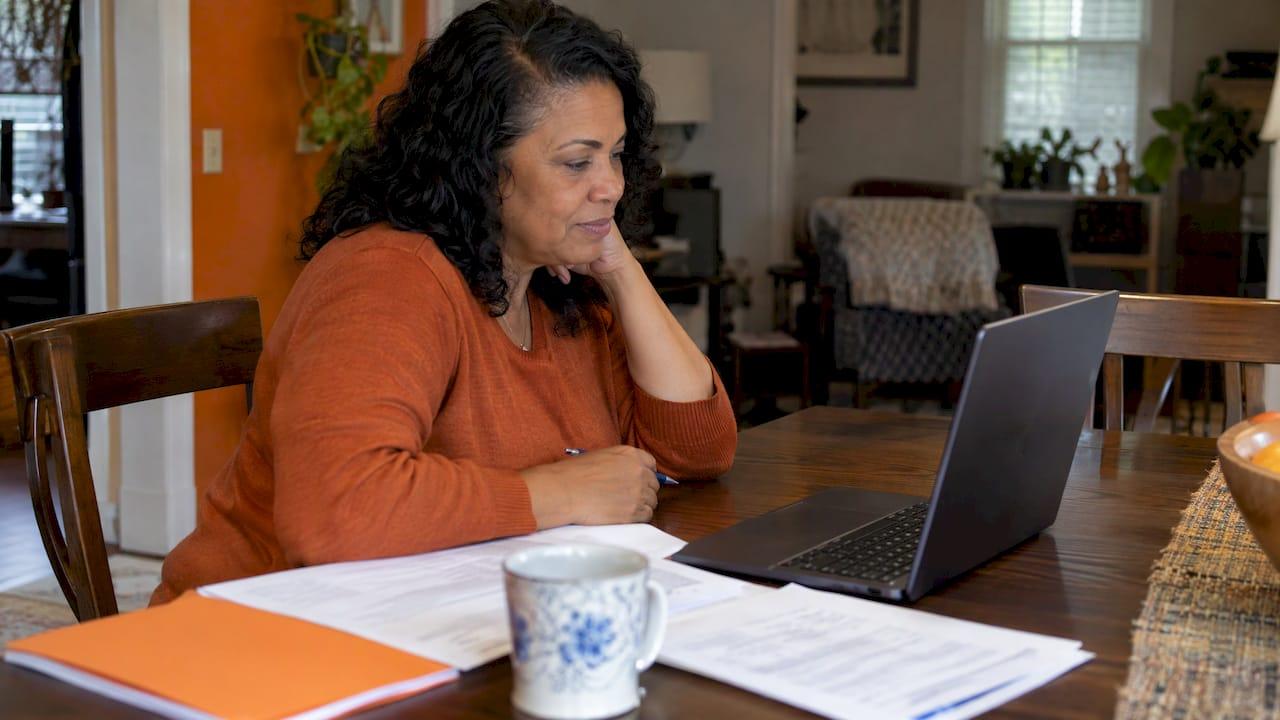
Yes, you can sell a property without sitting at a closing table. A remote closing lets you sign, notarize and receive your proceeds from wherever you are, as long as the title company, the buyer and the county where the property sits all accept the method. If you are an heir living in another state, a landlord done with a rental, or an owner of a vacant house you cannot visit, this is often the difference between a sale that finishes and one that drags on. In a cash sale with a flexible timeline, the signing is the easy part. The preparation is where you win time.
TL;DR
- A remote closing is the same closing with the same steps, scheduled around distance instead of a conference room.
- There are three ways to sign: mail-away with a notary, hybrid (some documents online, the deed in person), and fully online through remote online notarization (RON).
- Signing is rarely the bottleneck. The county recorder accepting the deed and the wire instructions being correct are where files stall or get hurt.
- Confirm every wire instruction by phone, on a number you looked up yourself, before any money moves.
- Cash buyers with flexible closing dates can fit the method to your situation instead of forcing you onto a travel schedule.
Table of Contents
- What a remote closing actually is
- Three ways to sign without being there
- How a remote closing works, step by step
- What to prepare before closing day
- The real choke point: the county recorder
- Protect your proceeds from wire fraud
- Timing and costs to expect
- What this means in Texas, Florida, Tennessee and New Jersey
- Why remote closings suit cash and distressed sales
- If you want to sell to us
- Our perspective
- FAQ
- Sources
What a remote closing actually is
A closing is the final meeting where the deed is signed over to the buyer, the settlement statement is approved and the money is released. In a remote closing, some or all of that happens online or by mail.
Fannie Mae's guidance defines an eClosing as any closing where documents are signed electronically, and describes remote online notarization as a notary and signer connected by two-way audio and video, with safeguards such as tamper-evident document sealing and multifactor authentication. The notary's seal is applied electronically.
One point from title professionals is worth keeping in mind: a remote closing is not a shortened closing. The same file work happens. Title is searched, payoffs are calculated, identity is checked, documents are signed, funds move and the deed is recorded. Only the location changes.

Three ways to sign without being there
The industry's consumer education site, Home Closing 101, lists three options. Which one you get depends on your state, the title company and the buyer.
| Option | How it works | Best when |
|---|---|---|
| Mail-away or mobile notary | The title or escrow company sends the document package. You sign in front of a notary, who can come to your home or office, and return the originals by tracked delivery. | Your state or the county does not accept online notarization, or you prefer paper. |
| Hybrid closing | Most documents are signed digitally in advance. The main transfer documents, usually the deed, are signed in person before a notary. | You can reach a local notary but not the closing office. |
| Fully remote (RON) | You open documents in a secure portal and sign them on a live video call with a commissioned notary, who checks your ID on camera. | The state, title company, buyer and county all accept it. |
Mail-away is the slowest because paper has to travel both ways, so build those days into the contract dates. RON is the fastest. An online notary service reports that a traditional cash close that used to need 14 to 21 days of scheduling can drop to 7 days or fewer with RON. Treat that as a best case, not a promise, because every other party in the file still has to be ready.
How a remote closing works, step by step
Here is the sequence, with what each step takes and where it tends to go wrong.
1. Agree on the signing method before you sign the contract
Write the method into the purchase agreement or confirm it in writing with the title company. Title company guidance for Texas sellers is to talk to the escrow agent as early as possible, because the lender, title company, county recording office and agent may each have requirements that affect how and when you sign.
Where it goes wrong: a seller assumes online signing is available, and the title company or county turns out not to support it in the last week. When you tell us where you live and when you need to close, our flexible closing timelines let us plan around that rather than around a trip.
2. Title and payoff preparation
The title company searches ownership records, finds liens and judgments, and requests payoff figures from any mortgage lender. If you have code violations, a lien or an unpaid mortgage, this is the stage where it surfaces. Our guide to title issues in cash sales shows how much of the timeline lives here.
3. Review documents in advance
The title company sends a secure link. A remote electronic closing, as one Kentucky title company describes it, starts with an emailed link to the documents, which you review at your convenience before the signing session. Use that time. Read the settlement statement line by line and ask about anything you do not recognize.
4. Identity verification and signing
On the video call, the notary verifies your photo ID on camera, then guides you through signing electronically. You receive electronic copies of the signed documents immediately. You need a reliable internet connection, a webcam and a microphone, plus a current government-issued ID.
For a hybrid or mail-away closing, the same identity check happens in person with the notary instead.
5. Recording and funding
The signed deed goes to the county for recording. A New York real estate law firm outlines the same order: documents are submitted electronically to the county clerk for recording, and funds are wired once the documents are verified. The title company holds the buyer's money until everyone has signed and the buyer's cash to close has arrived, then wires your net proceeds to your account.
6. Confirm the money and keep your records
Check that the proceeds are actually in your account. Keep digital copies of the settlement statement, the recorded deed and your wire confirmation. If you sold a property, you may also receive tax reporting paperwork afterward, so ask the title company what it will file.
What to prepare before closing day
Gathering these early is the cheapest way to save days. Our seller document checklist covers the full list. For the signing itself, have these ready:
- A current, unexpired government-issued photo ID that matches the name on the deed.
- Your mortgage lender's name and loan number, if there is a payoff.
- Death certificate and probate paperwork if you are selling an inherited property. Some documents, including wills and certain trust or power of attorney papers, often still need in-person notarization even where RON is allowed, so tell the title company early if your file includes them.
- Your bank's routing and account details, for receiving proceeds, which you will confirm by phone later.
- Keys, garage openers and access codes, with a plan for handing them over once funds clear and the deed records.
If you are selling from another state, our out-of-state selling guide walks through the other practical pieces, such as access, utilities and who handles the property while you are away.
The real choke point: the county recorder
Most sellers worry about the video call. The risk is elsewhere. A notary guide points out that recording, not signing, is where remote closings stall: the county recorder where the property sits decides whether to accept a remotely notarized deed, and a rejected deed can hold up the whole transaction even after a flawless signing.
The same source describes three gates a RON closing must clear: the notary's commissioning state, acceptance by the lender or title company, and the county recorder accepting the deed. Ask the title company a plain question: "Has this county recorded remotely notarized deeds for you before?" If the answer is uncertain, switch to hybrid or mail-away early, while there is still time.

There is a notary rule worth knowing too. Under the title insurer Fidelity National Financial's RON guidelines, the online notary must be commissioned in a state with an active RON law and physically located in that state at the time of notarization. The same guidelines require all parties to consent in writing, and for seller-side transactions the buyer and lender must consent. Your title company deals with this, but it explains why a sale cannot be switched to RON at the last minute.
Protect your proceeds from wire fraud
A remote closing means more emails, links and wiring instructions, and criminals know it. Title professionals in Florida warn that fraud attempts target the moment instructions are issued, and that any change of instructions should be treated as suspect until confirmed by voice on a number you already knew.
Sellers are not only at risk when sending money. Fake emails can also redirect your payout. Follow these rules:
- Look up the title company's phone number yourself, from its official website or your contract, never from an email.
- Confirm by phone the bank name and account number where your proceeds will be sent, and re-confirm if anything changes.
- Ask whether the company uses a secure portal or encrypted email for documents, and avoid sending your ID or bank details by plain email.
- Be wary of any message that creates urgency or says the instructions have changed.
- If anything looks wrong, call your bank immediately. Recovery depends on speed.
On the buyer side, our guide on verifying proof of funds explains how to confirm that a cash offer is real before you commit to a closing date.
Timing and costs to expect
Wire timing: banks usually process wires in one to two business days, and not after bank close, on weekends or on holidays. If you want to receive money before a weekend, schedule signing early in the week and ask when the wire cutoff falls.
Signing costs: a mobile notary or an online notarization usually adds a fee. In Tennessee, for example, the state's notary rules let an online notary charge up to $25 per online notarization in addition to other authorized fees. Courier costs apply to mail-away closings. Other closing costs, such as recording fees and transfer taxes, vary by state and county. Our guide to selling fees beyond commissions shows what to look for on the settlement statement.
Total time: with a standard sale, 30 to 60 days is common. Cash sales can be much faster. Our closing timeline guide and our cash sale escrow guide break down what drives the difference.
What this means in Texas, Florida, Tennessee and New Jersey
Rules differ by state, and the state that matters is generally where the property sits and where the notary is commissioned, not where you live.
- Texas: Title company guidance says the online notary, title company and transaction must satisfy Texas requirements even if the seller is outside Texas. RON sessions involve a secure platform, photo ID review, identity proofing and electronic signatures.
- Florida: Florida was among the first states to authorize RON, in 2020, with Texas and others following. Florida title teams also describe other approved signing methods, including hybrid paper and power of attorney, which are decided in advance.
- Tennessee: Online notaries must complete a state-approved course and pass an exam, and may act only by two-way audio-video communication.
- New Jersey: Ask the title company or attorney handling your closing which signing methods the county will accept. Do this before you set a closing date.
More broadly, one platform reports that remote closings are legal in 49 states and D.C. as of 2026, with California's permanent RON statute taking effect on January 1, 2030. State laws are only one gate, though. Your title company confirms the other two.
Why remote closings suit cash and distressed sales
Traditional sales add steps that depend on other people: the buyer's lender, an appraisal, a repair negotiation, an agent's showing schedule. A remote closing is smoothest when the fewest parties need to agree. A direct cash sale removes the lender and appraisal stages. Industry commentary argues that RON matters most for cash buyers and investors who close quickly for exactly that reason.
It also matters when the clock is hard. If a foreclosure date is approaching, a closing that does not depend on your travel schedule keeps options open. Our guide on selling before foreclosure explains the timeline from a seller's side.
If you want to sell to us
We buy houses, land and small apartment buildings for cash, as-is, with no commissions or agent fees. That includes properties with foreclosure pressure, needed repairs, problem tenants, code violations, liens or probate. You get a clear, upfront cash offer explained numerically, a closing timeline built around your situation, and direct access to the people making the decision. We keep your situation confidential and do not pressure you with false urgency.
If you are not near the property, tell us where you are and when you want to close. You can start through our Cash Offer Program or see how our process works.

Our perspective
Most sellers who contact us from another state expect distance to be the problem. Usually it is not. The real problem is a property that has become a burden: a house nobody lives in, a tenant who stopped paying, an inherited home in a county you have never visited.
We think a sale should adapt to the seller, not the other way around. That is why we offer flexible closing timelines, a clear cash offer with the numbers explained, no commissions and no agent fees. You should not have to fly in, take unpaid days off or accept a deadline we invented to pressure you.
Our advice is simple. Decide early how you will sign, confirm every wire by phone, and make sure the title work starts the day you accept an offer. If you do those three things, a closing from your kitchen table is an ordinary transaction.
Alek
FAQ
Can I really close on a house I sold without being there?
Yes, in most cases. You can sign by mail with a notary, sign some papers online and the deed in person, or sign everything on a video call with a commissioned online notary. The title company, buyer and county must all accept the method you choose, so confirm that before you set a closing date.
Is a remote closing legal in every state?
Remote online notarization is now permitted in the large majority of states. Counts differ by source: the National Association of Secretaries of State is reported to count 47 states and D.C., while one platform counts 49 and D.C. Even where a state allows it, the title company and the county recorder must also accept it, so ask them directly.
How long does it take to get paid after I sign?
Funds usually move after the documents are signed and the deed is recorded, and then your proceeds are wired. Banks typically take one to two business days to process wires, and wires do not process on weekends or holidays. Ask the title company for its wire cutoff time and plan around it.
How do I keep from being scammed during a remote closing?
Never rely on emailed wiring or payout instructions alone. Call the title company on a number you found yourself, confirm the bank details out loud, and re-verify if anything changes. Use a secure portal rather than plain email for your ID and bank information.
Do I need a notary if I close online?
Yes. Online closings still require a state-commissioned notary, who verifies your identity before any signature counts. With RON, the notary joins by live video. With a mail-away closing, a mobile notary or local notary meets you in person.
Sources
- Fannie Mae: eClosing Scenarios
- Home Closing 101: Closing Options
- OneNotary: How Remote Online Notarization Is Changing Real Estate
- Hampton Title: Selling a Texas Home From Out of State
- Bluegrass Land Title: A Homeowner's Guide to Remote Electronic Closings
- Moshes Law: How Does Remote Closing Work?
- USA Notary: Online Notarization for a Real Estate Closing
- Fidelity National Financial: Remote Online Notarization Guidelines
- Supreme Capital Miami: How Remote Real Estate Closings Work in Miami
- Proof: A Complete Guide to Closing on a House Remotely
- NNA: Tennessee U.S. Notary Reference