
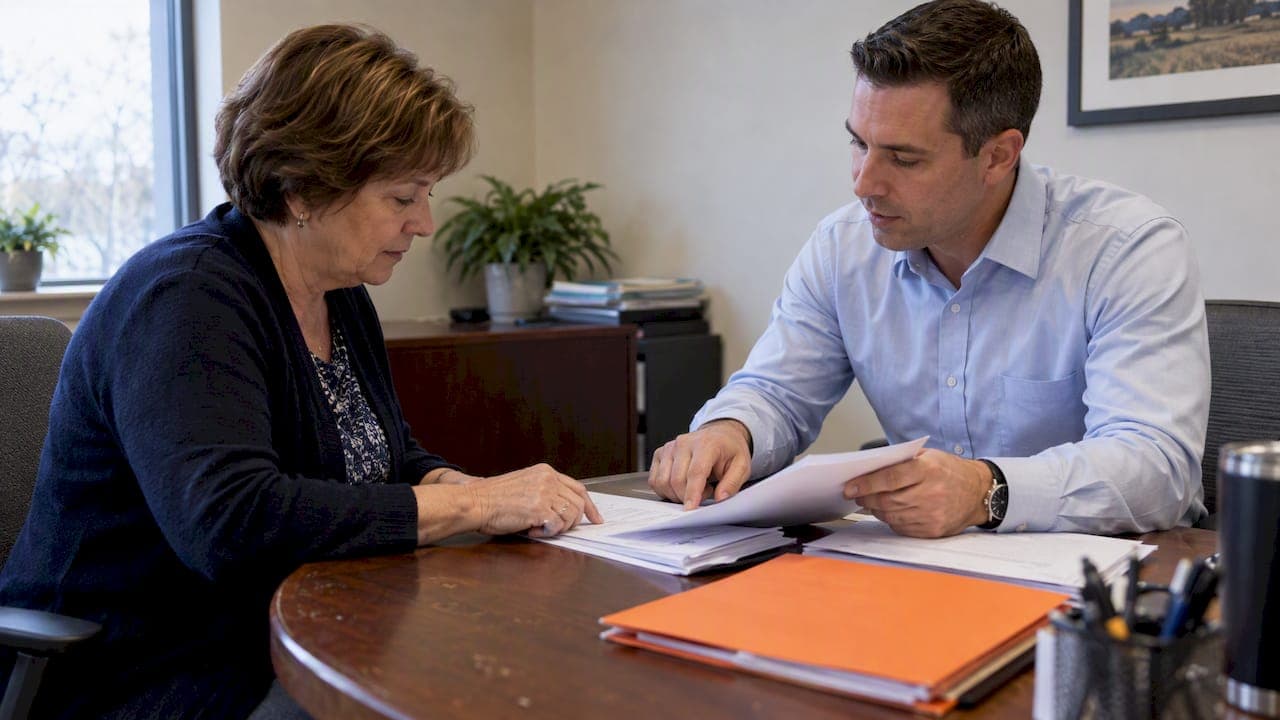
In a cash sale, escrow is a neutral account or agent that holds the buyer's funds and closing documents until title is cleared and the deed is recorded. Cash sales normally still use escrow to protect both parties, even without a lender involved. Your first moves should be simple: get proof of funds ready and line up a reputable escrow or title company before you sign anything.
TL;DR:
- Buyers commonly wire earnest money of 1% to 3% within a day or two of signing; title problems or delayed wires can stall closing.
- Businesses generally file Form 8300 within 15 days when reportable cash exceeds $10,000; certain cashier’s checks count, but ordinary wire transfers generally do not.
- With clean title, cash sales often close in 7 to 14 days, versus 30 to 45 days for financed deals; title defects extend the timeline.
- Expect settlement costs of 1% to 3% of the purchase price for escrow, owner’s title insurance, recording, and transfer taxes, often split by agreement.
- Before wiring funds, verify instructions by calling a number found independently, and confirm the escrow holder’s license, physical address, written fees, and closing timeline.
Table of Contents
- What escrow does in a cash sale and why it matters
- The escrow timeline from earnest money to recorded deed
- How cash payments trigger federal reporting rules
- Who holds escrow and what the title company actually does
- What cash sales still cost and how long they take
- Checklist and red flags before you wire anything
- Cash sale escrow versus financed sale escrow
- Alternatives to escrow in a cash sale and their trade-offs
- When a fast cash sale with escrow makes sense
- Get a cash offer and close through a secure escrow process
- FAQ
- Sources
What escrow does in a cash sale and why it matters
Escrow is a holding arrangement where a neutral third party manages money and paperwork until every condition of a sale is met. In a cash deal, that third party steps into a role a lender would otherwise fill: verifying that funds exist, confirming the title is clean, and releasing money only when the deed is ready to record.
Without a lender checking the buyer's financial standing or requiring a title search, escrow becomes the main safeguard for both sides. The escrow holder confirms the buyer actually has the funds, keeps the money untouched until conditions are satisfied, and prevents either party from walking away with something for nothing.
Escrow typically prevents problems like:
- Funds sent directly to a seller before title issues are discovered.
- Undisclosed liens or judgments surfacing after money has changed hands.
- A buyer or seller backing out after money or documents have already moved.
- Disputes over who pays which closing costs, since escrow follows written instructions.
The escrow timeline from earnest money to recorded deed
Escrow opens once both parties sign a purchase agreement. For cash offers, buyers commonly put down an earnest-money deposit of about 1% to 3% of the purchase price, sometimes more in competitive markets, wired to escrow within a day or two of signing, according to LegalClarity's breakdown of cash offers.
The process generally unfolds like this:
- Open escrow: The signed contract and earnest money go to the escrow or title company.
- Order the title search: The escrow or title company searches public records for liens, judgments, or ownership disputes.
- Clear title issues: Any liens or claims found get resolved, often paid off from sale proceeds at closing.
- Wire the balance: The buyer sends remaining funds to escrow, which verifies receipt before moving forward.
- Final review and signing: Both parties sign closing documents, and escrow confirms everything matches the agreed terms.
- Record the deed: The county records the new deed, and escrow releases funds to the seller.
Each step depends on the one before it, which is why a messy title or a slow wire can stall an otherwise simple cash transaction.
Pro Tip: Ask your escrow company for a written timeline at the start so you know exactly when funds should move and when the deed should record.
How cash payments trigger federal reporting rules
Cash sales come with a compliance layer many buyers and sellers do not expect. Federal law requires trades and businesses, including title and escrow companies, to report cash payments over $10,000 by filing IRS Form 8300, and escrow contributions count as a reportable transaction type.
Over $10,000 in cash triggers a required filing, and businesses generally must submit Form 8300 within 15 days of receiving it, according to the IRS reference guide.
A few points worth knowing:
- "Cash" for this purpose includes coins, currency, and certain negotiable instruments like cashier's checks or money orders with a face value up to $10,000, unless they come from a bank loan or meet another listed exception, per the official Form 8300 instructions.
- Related transactions can be aggregated under 24-hour and 12-month rules, so structuring payments to dodge the threshold does not work.
- Wire transfers are generally not treated as cash for this reporting requirement.
This filing is routine paperwork handled by the business receiving the funds, not a flag aimed at you personally. A title or escrow company that handles cash deals regularly will already have this process built into closing.
Who holds escrow and what the title company actually does
Depending on your state, escrow might sit with a title company, an independent escrow agent, or a real estate attorney. All three serve the same function: holding funds neutrally and making sure paperwork lines up before anyone gets paid.
Their core duties typically include:
- Running a title search and resolving any liens or ownership gaps before closing.
- Preparing closing statements that itemize every cost and credit.
- Drafting and recording the deed with the county once funds clear.
- Managing escrow accounting so money only moves when every condition is met.
Before committing to an escrow holder, confirm their license status with your state's regulatory body, check local reviews, and ask for a written fee estimate and a sample closing statement. A trustworthy escrow agent or title company, the role of which includes thorough lien checks, will not hesitate to provide these upfront.
What cash sales still cost and how long they take
Skipping a mortgage removes lender fees like origination charges and appraisal costs, but settlement costs do not disappear. You will still typically see an escrow or settlement fee, owner's title insurance, recording fees, and transfer taxes where your state or county applies them.
Common cash-sale costs include:
- Escrow or settlement fee, usually split or negotiated between buyer and seller.
- Owner's title insurance protecting against future title disputes.
- County recording fees for the deed.
- Transfer taxes, where applicable by state or municipality.
Closing costs for cash sales typically run 1% to 3% of the purchase price, even without a lender involved, according to LegalClarity. That range covers the settlement and title work that still has to happen regardless of financing.
Timeline-wise, a cash sale with a clean title often closes within about one to two weeks, far faster than the typical timeframe for financed deals, per the same analysis. Title defects, probate issues, or slow document turnaround can push that window out. Our own piece on why cash offers close faster covers the mechanics behind that speed in more detail.
Checklist and red flags before you wire anything
A little preparation prevents most delays and nearly all escrow fraud.
Sellers should gather:
- Proof of ownership and any payoff statements for existing liens or mortgages.
- Government-issued ID for closing.
- A signed acceptance of the offer.
- Open communication with the escrow agent about document requests.
Buyers should confirm proof of funds is ready, verify wiring instructions by phone directly with the escrow company, not by email, and request a closing statement early enough to review every line item.
Watch for these warning signs:
- An unsolicited email claiming wiring instructions have changed.
- An escrow agent who cannot produce a license number or physical business address.
- Pressure to skip a title search or close before documents are reviewed.
Pro Tip: Call your escrow company using a phone number you looked up independently, never one provided in an email, before sending any wire.
Cash sale escrow versus financed sale escrow
The core escrow function stays the same whether a lender is involved or not: a neutral party holds funds and documents until conditions are met. What changes is who adds conditions and how long the process takes.
In a financed sale, the lender layers on its own requirements: an appraisal, underwriting approval, loan document review, and a closing disclosure that must sit for a mandated waiting period. Escrow in that scenario is coordinating not just between buyer and seller but with the lender's timeline and paperwork, which is why financed closings commonly stretch to 30 to 45 days.
A cash sale strips out the lender's conditions entirely. Escrow still verifies funds and clears title, but there is no appraisal contingency, no underwriting delay, and no loan document stack to review. That is the main reason cash deals often close in 7 to 14 days when title is clean, as noted earlier.

Cost structures differ too. Financed deals carry lender-specific fees, origination charges, and sometimes lender's title insurance on top of the owner's policy. Cash deals skip those lender fees but still carry escrow, title, and recording costs.
One thing stays constant across both: Form 8300 reporting applies only to cash payments over $10,000, so a financed purchase where the lender wires funds typically does not trigger the same filing, while a cash buyer's escrow contribution often does.
Alternatives to escrow in a cash sale and their trade-offs
Escrow is widely used but not universally required by law in every state for a cash transaction, so some sellers consider skipping it. Each alternative carries real trade-offs.
Direct attorney-managed closing: An attorney handles funds and documents instead of a title company. This works in states where attorneys routinely close real estate deals, and it can feel more personal, but it does not eliminate the need for a title search or careful fund verification.
Direct transfer without a neutral third party: Some private sales skip escrow entirely, with funds and the deed exchanged directly. This is faster on paper but removes the protection against undisclosed liens, fraud, or a deal falling apart mid-transfer. Most title insurers will not issue a policy without a proper closing process, which can leave a buyer exposed for years.
Using a cash-offer company's in-house process: Some buyers who purchase homes for cash, including investment buyers, coordinate directly with a title company on the seller's behalf, which keeps the neutral-party protection intact while simplifying the paperwork load for the seller. This is not a true alternative to escrow so much as a different path into the same safeguard.
For most sellers, the convenience of skipping escrow rarely outweighs the risk. The handful of dollars saved on a settlement fee is small compared to the cost of an undiscovered lien or a fraudulent wire.

When a fast cash sale with escrow makes sense
A cash sale with escrow fits sellers facing foreclosure, inherited property, problem tenants, or a home that needs repairs they cannot afford to make. It gives you the speed of cash with the same title protection and neutral fund handling you would get in any traditional sale.
Every purchase we handle runs through standard escrow and title work, verifying funds and clearing title before any money moves, so a fast close does not mean a less protected one.
— Alek
Get a cash offer and close through a secure escrow process
We purchase houses, land, and small apartment buildings for cash, as-is, including properties with liens, code violations, problem tenants, or an active foreclosure. Every transaction we handle runs through a title company or escrow agent, the same way any traditional closing would, so funds are verified and the deed is recorded before anyone walks away.
If you are facing a deadline or just want out of a property that has become a burden, the Cash Offer Program walks through how a sale works from offer to closing. You can also see the full process on how properties can be bought and request a no-pressure cash offer whenever you are ready.
FAQ
If I sell a house for $100,000 cash, do I need to explain where the money came from?
As the seller receiving funds through escrow, you typically do not need to explain the money's source. The reporting obligation falls on the business receiving the cash, such as the title or escrow company, which must file Form 8300 when a reportable transaction crosses the $10,000 threshold.
Who pays closing costs in a cash sale?
Closing costs in a cash sale are typically split between buyer and seller based on local custom and the purchase agreement, covering items like escrow fees, title insurance, and recording fees. Total settlement costs commonly run 1% to 3% of the purchase price, even without a lender involved.
What should I look for in a cash offer company?
Look for a buyer that explains its offer calculation clearly, discloses all fees upfront, and routes the transaction through a licensed title company or escrow agent for a proper closing. We provide transparent cash offers with flexible timelines and use standard escrow and title work on every purchase.
Is cash back at closing illegal?
Cash back at closing is illegal when it is used to misrepresent a sale price to a lender or inflate a loan amount through fraud. In a straightforward cash sale with no financing involved, any legitimate credits or adjustments are documented on the closing statement rather than handed back informally.
Sources
- IRS Form 8300 reference guide | Internal Revenue Service
- How Do Cash Offers Work? Closing, Costs, and Taxes - LegalClarity