
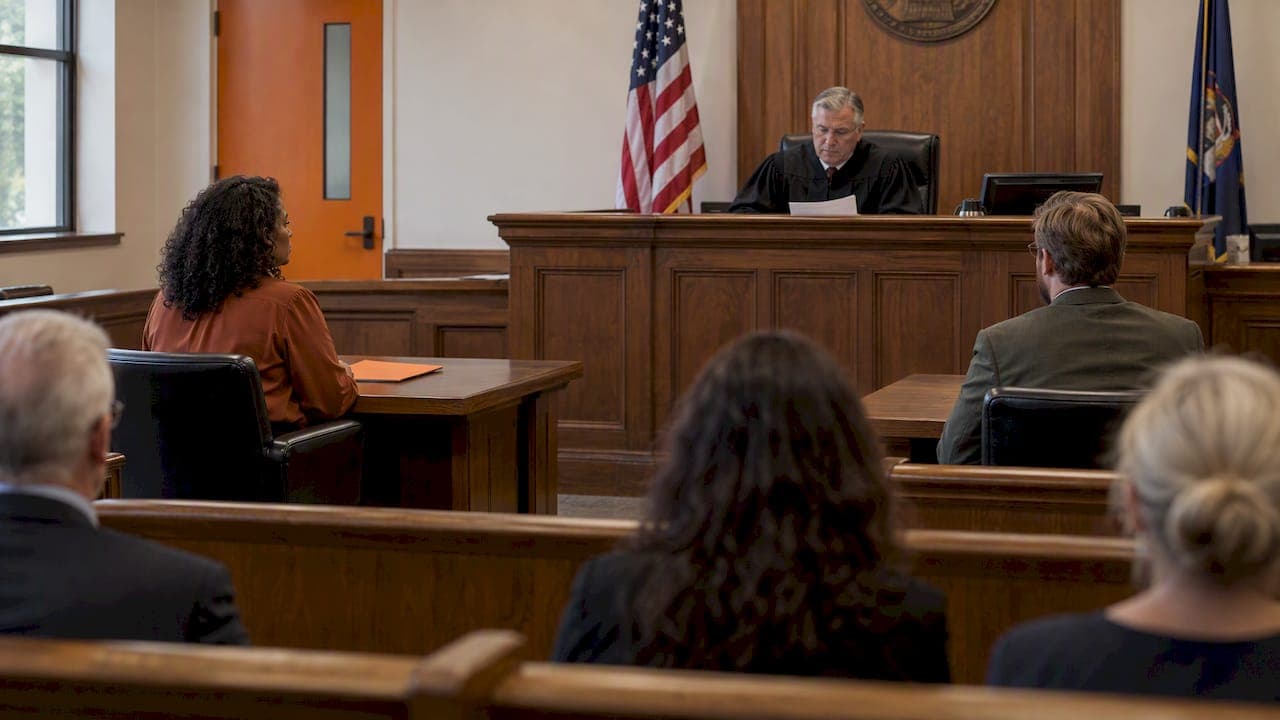
A probate sale is the sale of a home that belonged to someone who has died, handled by the executor or personal representative of the estate. The process runs from opening the estate and getting legal authority, through valuing and marketing the house, to court confirmation where your state requires it, then closing and paying out the proceeds. How long it takes depends mostly on your state, on whether the will gives the executor power to sell, and on whether anyone contests the estate.
This guide walks through each stage in order, shows where the delays come from, and explains the options an executor has when the house needs to be sold sooner rather than later.
TL;DR
- A probate sale is the sale of a deceased owner's real estate by the estate, to pay taxes and debts and divide what is left among heirs or beneficiaries.
- Only a court-appointed executor or personal representative can sell. Until you hold that authority, you cannot sign a contract.
- Whether a judge must confirm the sale depends on the state and on the powers the will or the court grants.
- Plan on months, not weeks. Timing varies by state, and tax filings and disputes among heirs cause much of the delay.
- Proceeds go to debts, closing costs and taxes first, and what remains goes to the people entitled to it.
Table of Contents
- What a probate sale is and when a house has to go through one
- Who has the authority to sell
- The probate sale process, step by step
- When a judge has to approve the sale
- How long a probate sale takes
- Who gets the money after the sale
- Avoiding this situation for your own heirs
- Our perspective
- Selling to a cash buyer during probate
- Need to sell a probate house as-is?
- Practical tips before you list
- FAQ
- Sources
What a probate sale is and when a house has to go through one
A probate sale is a real estate transaction in which property from an estate is sold to divide the proceeds, pay taxes and settle debts, as Chase explains in its home buying education guide. It is not a special kind of discount sale. It is an ordinary sale carried out under the rules that govern an estate.
Whether a house must pass through probate at all comes down to how it was titled. Typically, an estate must be probated to change title to real estate that was held solely in the decedent's name without a right of survivorship, according to Massachusetts' official guidance on when probate is necessary. A home owned jointly with survivorship rights, or placed in a trust, usually follows a different path.
That last point matters for families who hear that a living trust "avoids probate" and assume nothing else is needed. The American Bar Association points out in its overview of the probate process that avoiding probate this way is not a complete solution, because a will is still usually needed for assets that were never transferred during the owner's lifetime.

Probate sale, estate sale and trust sale are different things
People search for these terms interchangeably, but they mean different things.
- Probate sale: the house is sold through the estate administration, by a personal representative, often with court involvement.
- Estate sale: usually a sale of furniture and belongings inside the house. It says nothing about who sells the real estate.
- Trust sale: the trustee sells a house that is already titled in a trust, normally without opening probate.
If you are not sure which situation applies, the deed and the will are the first documents to find. An estate planning or probate attorney in the state where the house sits can read them and tell you in one meeting.
Who has the authority to sell
Heirs do not automatically get to sell. The authority belongs to the personal representative, called an executor when the will names one and an administrator when the court picks one. As the California courts' self-help site describes it, the personal representative represents the estate, collects its property, pays its bills and distributes what remains to heirs or beneficiaries, and a judge appoints one when probate is needed.
The usual sequence is that an interested person petitions to open probate, the court appoints the executor or administrator, and the court issues the paperwork that proves the appointment. In Nevada, for example, those are Letters Testamentary or Letters of Administration. Other states use their own names for the same document, but the principle is the same: a title company, a buyer and a bank will all want to see it before they deal with the estate.

If you are the executor and want to understand your role in more detail, our guide to the role of the estate executor in a sale covers the duties and the common mistakes.
Keep the beneficiaries informed
Even where state law does not require it, written approval from the beneficiaries for the personal representative's actions can help protect the fiduciary from later legal claims, according to the American Bar Association's guidelines for individual executors and trustees. In practice, that means telling the heirs before you list the house, not after you accept an offer.
The probate sale process, step by step
The exact order differs by state and by county, but most probate sales follow the same outline. A typical sale begins with a petition to sell, then an appraisal, listing with an agent, court confirmation of an offer where needed, and finally closing and distribution of proceeds, as Chase summarizes.
- Open the estate and get appointed. File the will and the petition with the probate court in the county where the owner lived. Until the court issues your authority, the house stays untouched.
- Secure the property. Change the locks if needed, keep insurance active (confirm with the insurer how a vacant house is covered), and keep the utilities and lawn up. The estate carries the carrying costs while the house waits.
- Find out what the executor can do. Read the will for a power to sell. Check whether your state treats the administration as independent or supervised. This single answer shapes the rest of the timeline.
- Get an appraisal. In Nevada, the personal representative must obtain a professional appraisal to establish fair market value, protect the estate from accusations of selling below value and set a reasonable asking price. Some courts set a dollar threshold: in Florida's 11th Judicial Circuit, an appraisal is required if the property is valued above $600,000.
- Choose how to sell. List with an agent, sell to an investor for cash, or sell to an heir. Each route changes the speed, the cost and how much repair work the estate has to pay for up front.
- Accept an offer and give any required notice. Depending on the state, you may be free to accept the offer, or you may have to notify heirs and creditors first and wait out a notice period.
- Attend the confirmation hearing if one is required. More on that below.
- Close and pay out. The title company handles the closing. The estate then pays its debts and expenses and distributes what is left.
Before you start, check whether your state offers a simpler route for small estates or for houses where title can pass without a full administration. The local probate court clerk's office or the court's self-help page will say.
When a judge has to approve the sale
This is the question that most separates a quick probate sale from a slow one, and the answer really does change from state to state. Some jurisdictions require court confirmation, while others let executors accept offers directly without court involvement.
Independent versus supervised administration
In states that offer an independent or unsupervised administration, the court grants the personal representative broad powers at the start, and the sale does not need a judge's sign-off.
- California: a personal representative with full authority may sell estate real property, subject to notice-of-proposed-action requirements. When the representative uses that authority under the Independent Administration of Estates law, the requirements for court confirmation of sales do not apply.
- Florida: a personal representative may sell real property without court authorization or confirmation if the will grants a specific power to sell it or a general power to sell any estate asset.
- South Carolina (Greenville County): the county's probate office describes a more court-driven path, with a petition, service on interested persons, a 20-day hearing notice and fair market value testimony from a disinterested appraiser or Realtor, unless the parties agree to an affidavit. See the county's pamphlet on selling real estate while in probate.
In California, the law also lists when a personal representative may sell at all: to pay debts, taxes or administration expenses, when it benefits the estate, or when the will directs or authorizes it.
What happens at a confirmation hearing
When confirmation is required, the court holds a hearing where a judge reviews the proposed sale, and other potential buyers may submit higher offers. The goal is to make sure the estate receives fair value. For a seller, the practical meaning is that your accepted offer is not final until the judge approves it, and a buyer who wants certainty should know that going in.
If your goal is to avoid a hearing where the law allows it, our article on selling a house during probate without a court hearing explains when that is realistic. For legal requirements that apply to inherited property more broadly, see our inherited property sale legal requirements guide.
How long a probate sale takes
There is no single national number, and anyone who gives you one is guessing. The American Bar Association says that probate timelines vary by state, that many states have simplified or streamlined proceedings, and that much of the delay comes from tax laws and filing requirements. The same source notes that most probate proceedings are neither inherently expensive nor prolonged, and that claims by sellers of probate-avoidance products are often exaggerated.
So think of the timeline as a series of stages, each with its own clock.
| Stage | What drives the time |
|---|---|
| Opening the estate and appointment | Court backlog in your county, whether the will is clear, whether anyone objects |
| Creditor and notice periods | Your state's rules for notifying creditors and heirs |
| Appraisal and preparing the house | How quickly you can get a valuation and clear out belongings |
| Marketing and offers | Condition of the house, the local market, the buyer's financing |
| Court confirmation (if required) | Hearing availability and the notice period, such as the 20 days in Greenville County |
| Closing and distribution | Title issues, liens, taxes, and how soon debts are settled |
Some states also set a deadline for starting. Massachusetts, for example, generally requires probate within three years of death, with exceptions for voluntary administration, determining heirs and ancillary probate. Waiting does not make the problem go away, and the house keeps costing money in the meantime.
What most often slows a sale down
- Disagreement among heirs. The ABA stresses that planning to minimize real conflict, such as litigation among heirs, matters far more than probate avoidance techniques. One heir who wants to keep the house can stall everything.
- Tax filings. As noted above, tax laws and filing requirements account for much of the delay in many estates.
- Unclear title. Old liens, unpaid property taxes or a missing deed transfer have to be cleared before closing.
- A house that needs work. Repairs cost the estate cash up front, and a house in poor condition often sits longer on the market.
- Out-of-state heirs. Signatures, notarizations and decisions all take more time when people live far apart.
If speed is the priority, our fast-track plan for an inherited home sale lists what you can do in parallel while the court process runs.
Who gets the money after the sale
After closing, proceeds are used to pay relevant taxes or debts, and then what is left is distributed among heirs or beneficiaries. In practice, the title company disburses funds from escrow after paying off the mortgage if there is one, closing costs, any commissions and taxes. If a mortgage is larger than the sale price, there may be nothing left for the heirs, so it is worth reading our piece on selling a house to pay off debt and running the numbers before you decide.
Who gets what is set by the will, or by your state's intestacy rules if there is no will. The executor does not choose. The personal representative's job is to follow the will or the law and to keep records of every dollar in and out, because beneficiaries can ask to see them.
Avoiding this situation for your own heirs
If you are reading this as an owner thinking ahead, the structure you use to hold the home changes everything. A trust that has been properly funded can keep a house out of probate entirely. One Texas estate planning firm explains how funding a trust avoids probate and guardianship and why a will alone does not do that. Rules differ by state, so talk with a local estate planning attorney before you re-title anything.
Our perspective
We talk to executors and heirs every week, and the pattern is almost always the same. Someone is grieving, the house is empty, the bills keep arriving, and they have been told that the sale will take as long as the court takes. Often that is true for the legal steps. It does not have to be true for the house.
Our view is that the estate should have a choice. Once you have your authority as executor, you can list the house, repair it, stage it and wait for a retail buyer. Or you can sell it as it stands, for cash, on a closing date that fits the court schedule. Neither is wrong. But the second option removes the repairs, the showings, the commissions and the financing risk from a process that already carries plenty of uncertainty.
We buy houses, land and small apartment buildings directly from owners, in as-is condition, and we handle properties that traditional buyers avoid: liens, code violations, tenants who will not leave, fire damage, years of deferred maintenance. We explain our offer in numbers so you can compare it with a listing, and we do not pressure anyone. If your state requires court confirmation, we work within that and can close on a timeline that follows the court's.
Talk to the estate attorney first. Then compare your options with the real figures in front of you.
Alek
Selling to a cash buyer during probate
On top of the traditional route, an executor can sell the property to a direct cash buyer. The things to weigh are the net amount after all costs, the closing date, who pays for repairs, and whether your state's court needs to confirm the price. We compare the main routes in our guide to top probate property selling solutions for heirs, and the faster ones in fastest ways to sell an inherited house. If you are in New Jersey, our executor's legal guide for New Jersey covers the state's specifics. For a wider look at skipping delays, read how to sell an inherited house without probate delay.
Need to sell a probate house as-is?
ExitVest buys houses, land and small apartment buildings for cash, in any condition, with no commissions or agent fees. We explain the offer in clear numbers, keep your situation confidential and set a closing timeline around yours, including the court's schedule when probate applies. Start with our cash offer program or see how our buying process works.

If you would rather look at everything we buy first, the ExitVest home page lists houses, land and small apartment buildings.
Practical tips before you list
- Get several certified copies of the death certificate and your court appointment. Banks, insurers and title companies each ask for one.
- Do not move belongings out until you have a plan. Photograph everything, and ask the heirs in writing what they want.
- Ask the attorney one direct question: does this sale need a court hearing in our state and county, and how long is the notice period?
- Compare net proceeds, not headline prices. A higher listing price can leave less in the estate after repairs, commissions, carrying costs and months of taxes and insurance.
- Keep a ledger. Record every payment from estate funds and keep the receipts.
FAQ
Can a house be sold while it is still in probate?
Yes, but only once the court has appointed a personal representative with authority to sell. In some states the sale also needs a judge's approval, and in others the executor can act on the will's power of sale without it. Your county probate court or an estate attorney can tell you which applies.
How long does a probate sale take?
It depends on the state, the court's workload and the facts of the estate. The American Bar Association says timelines vary by state and that tax requirements cause much of the delay. Expect months rather than weeks, and ask the local court clerk or attorney for the typical range in your county.
Who gets the money from a probate sale?
The estate first pays taxes, debts, closing costs and expenses. What remains goes to the beneficiaries named in the will, or to the heirs your state's law identifies if there is no will.
Do all probate sales need a court hearing?
No. Some states require confirmation and a hearing where other buyers can bid higher, while others, such as California under independent administration or Florida when the will gives a power to sell, allow a sale without confirmation.
Can heirs sell the house for cash during probate?
The personal representative signs the sale, not the heirs individually. The estate can accept a cash offer, subject to any court confirmation your state requires, and the heirs should be informed before the contract is signed.
Sources
- Probate Sale: What Homebuyers Need to Know, Chase
- Find out when it's necessary to probate an estate, Mass.gov
- The Probate Process, American Bar Association
- Guide to property after someone dies, California Courts
- Probate Sale Process, Court Notices, and Legal Steps
- Guidelines for Individual Executors and Trustees, American Bar Association
- Sale of Real Property for Estates, 11th Judicial Circuit of Florida
- California Probate Code, independent administration sale authority
- California Probate Code section 10503
- California Probate Code, sale of estate property
- Florida Statutes 733.613 (2025)
- Selling Real Estate While in Probate, Greenville County Probate Court
- How to Buy and Sell Probate Property, LegalZoom
- Fund Your Trust First: How Texans Avoid Probate and Guardianship