
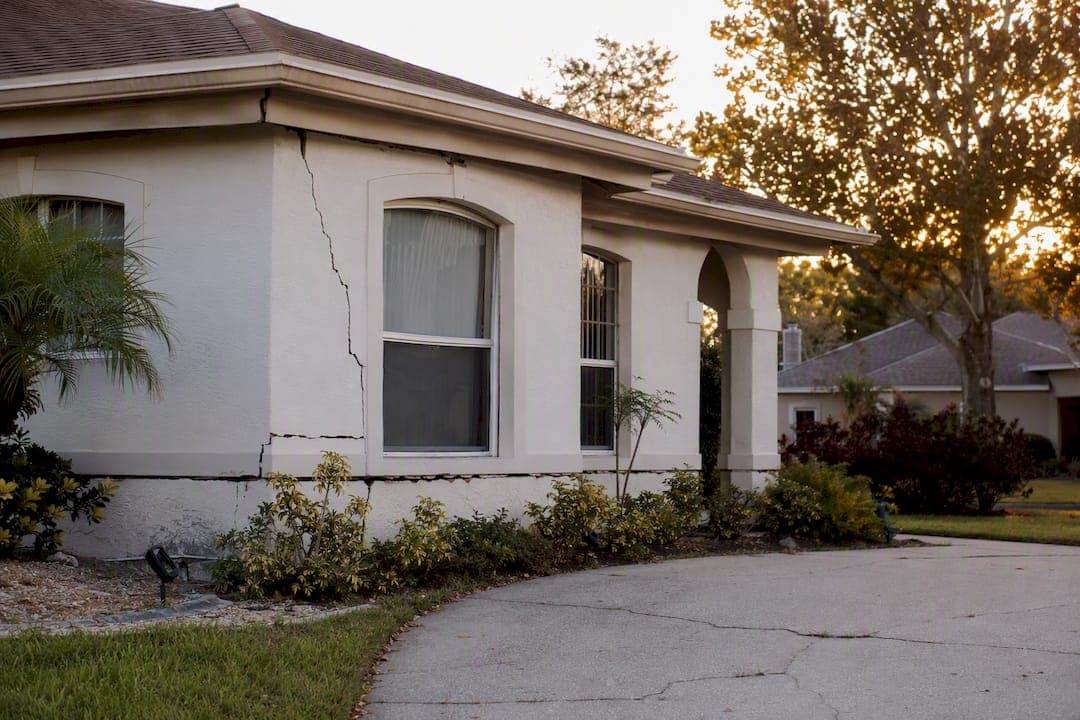
Yes, you can sell a Florida house with sinkhole activity, but the law requires specific disclosures before closing. Under Florida statute 627.7073, any seller who received a paid sinkhole insurance claim must tell the buyer about it, and must disclose whether that money went toward actual repairs. Skip this step and you're exposed to a lawsuit long after closing.
Before you list or accept any offer, handle three things first:
- Track down any engineer or geologist report tied to the property, plus the insurance claim file if one exists.
- Search county clerk records where you live to see what's already been recorded about your property (sinkhole certifications are public record once filed).
- Decide, at least roughly, whether you want to fund repairs and list traditionally or sell as-is to a cash buyer.
If speed and certainty matter more than squeezing out the last dollar, a direct cash sale through a company like Exitvest removes the financing risk and repair burden that trip up so many sinkhole sales.
Key Takeaways
Selling a Florida sinkhole home is legal and often fast, provided you disclose paid claims and gather proper documentation before closing.
| Point | Details |
|---|---|
| Disclosure is mandatory | Florida law requires disclosing any paid sinkhole claim and how the proceeds were used, regardless of sale type. |
| Documentation drives buyer confidence | Engineer reports, permits, and county recordings form the packet that reduces buyer hesitation and speeds negotiations. |
| Financing shrinks the buyer pool | Lenders often decline or scrutinize mortgages on sinkhole-affected homes, pushing many sales toward cash buyers. |
| Three sale paths exist | Repair and list, sell as-is, or sell to an investor each trade price against speed and certainty differently. |
| Exitvest offers a direct as-is route | For sellers prioritizing speed and certainty, Exitvest provides a cash offer with no repairs or financing contingencies. |
Table of Contents
- Understanding Sinkholes and Florida's Legal Disclosure Requirements
- How Sinkholes Affect Home Value, Financing, and Insurance
- Gather the Paperwork: What to Collect and Where to Get It
- Repair and List vs. Sell As-Is vs. Sell to an Investor
- Pricing and Negotiating Without Losing Your Equity
- Step-by-Step Seller Checklist: From Inspection to Closing
- What Sellers of Damaged Florida Homes Get Wrong
- Get a Cash Offer on Your Sinkhole-Affected Florida Home
- Where to Verify the Legal and Technical Details
- Sources
Understanding Sinkholes and Florida's Legal Disclosure Requirements
A "verified sinkhole loss" isn't a homeowner's guess or a crack in the driveway. It's a technical determination made under a formal investigation, typically triggered after an insurance claim, and confirmed by a professional engineer (PE) or professional geologist (PG) licensed in Florida. Their signed report either confirms sinkhole activity caused the structural damage or rules it out. That report becomes the backbone of everything that follows, from your insurance settlement to your disclosure obligations when you sell.
Florida statute 627.7073 lays out the mechanics plainly. Once an insurer pays a sinkhole claim, the insurer has to file a report, and the policyholder who accepted that payment has separate reporting duties too. Those filings get recorded with the county clerk, which means anyone (including a future buyer's title company) can pull them up.
As a seller, your legal duty comes down to this:
- Disclose any sinkhole claim you were paid on, even if the damage seemed minor.
- Disclose whether the insurance proceeds actually went toward stabilization or repair, or whether you pocketed the money and never fixed the underlying problem.
- Assume the buyer's attorney or title agent will search county records anyway, so hiding a filed report rarely works.
The Florida DEP's sinkhole FAQ is a solid resource if you want the geological background behind why certain counties, especially in the Tampa Bay and Ocala regions, see far more claims than others. Nondisclosure isn't just an ethical gray area. It's grounds for a buyer to sue for damages or even unwind the sale after closing, sometimes years later once new cracks appear.
Pro Tip: Call your county clerk's office directly and ask for a records search under both your name and the property address. Some sinkhole certifications get filed under the insurer's name, not the homeowner's, and a generic online search will miss them.
How Sinkholes Affect Home Value, Financing, and Insurance
A confirmed sinkhole history doesn't just scare off a few cautious buyers. It reshapes the entire pool of people who can realistically buy your house. Most conventional lenders won't fund a mortgage on a property with unresolved sinkhole damage, and even after remediation, some underwriters ask for updated engineer reports before approving a loan. That shrinks your buyer pool to cash purchasers, investors, and a smaller slice of conventional buyers willing to accept a repaired property with full documentation.
Expect these realities to shape your sale:
- Homes with disclosed, unrepaired sinkhole damage typically sell at a steeper discount than comparable homes nearby, and the gap narrows considerably once stabilization is complete and certified.
- Days on market run longer than average, since financed buyers often walk once an appraisal flags the history or a lender declines the loan outright.
- A recorded sinkhole claim can affect future insurability. Some carriers decline new sinkhole coverage on a property with prior claims, or price it high enough that it becomes a negotiating point for the next buyer.
None of this means your house is unsellable. It means your buyer pool skews toward cash and your price expectations need a reality check before you set an asking number.
Gather the Paperwork: What to Collect and Where to Get It
Documentation makes or breaks a sinkhole sale, whether you're listing traditionally or taking a cash offer. Buyers, lenders, and title companies all want the same core proof: that the problem was identified, addressed, and verified by someone qualified.
- Get or locate the engineer/geotechnical report. Only a PE or PG can issue a valid sinkhole determination in Florida. A new investigation typically runs from a modest sum to a higher cost depending on the scope of soil testing and grouting evaluation required, and can take several weeks to complete.
- Pull your insurance claim file. Contact your carrier for the claim number, payout amount, and any inspection reports tied to the file. If the claim was paid years ago, the insurer's records department can usually still produce copies.
- Request county clerk recordings. Ask specifically for any filed sinkhole certification or report tied to your parcel number.
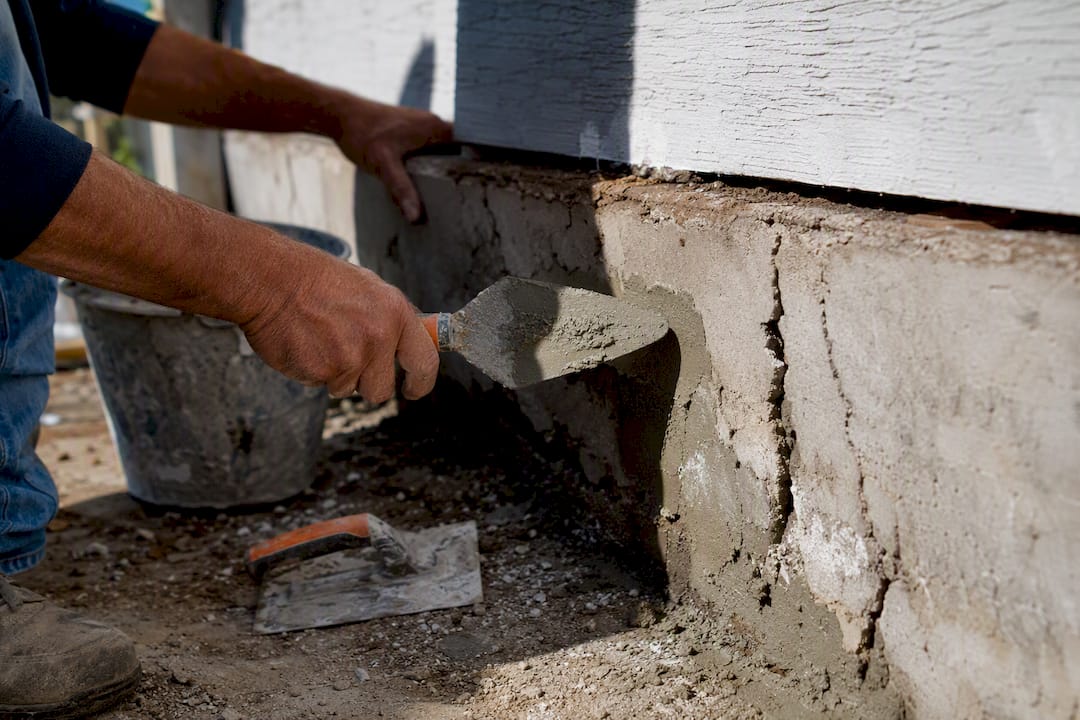
- Collect repair permits and contractor warranties if remediation (grouting, underpinning, compaction) already happened. Permits confirm the work was inspected by the county, not just performed.
- Assemble it all into one disclosure packet before you accept an offer, so buyers see a complete picture instead of piecing together red flags on their own.
Pro Tip: Before you trust any report, run the engineer's or geologist's name through MyFloridaLicense to confirm they're actively licensed in Florida. An unlicensed or lapsed credential can void the report's usefulness with a lender or appraiser.
Repair and List vs. Sell As-Is vs. Sell to an Investor
Three realistic paths exist for a Florida sinkhole property, and each one trades speed for price in a different way.
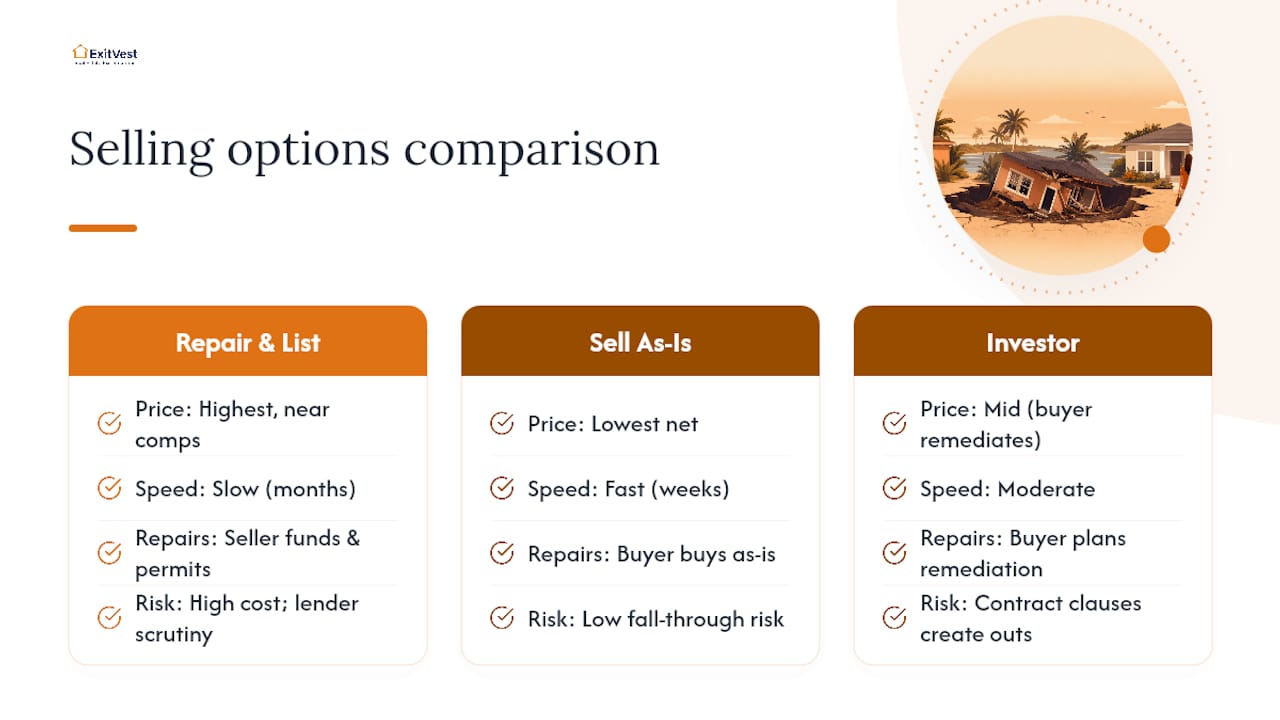
Repair and list. You fund the stabilization work, get a clean engineer certification, and list through a traditional agent once repairs are documented and permitted. This route can recover the most value, since a fully remediated home with paperwork in hand often sells close to unaffected comps in the neighborhood. The catch is upfront cost, a repair timeline that can stretch several months depending on soil conditions, and continued lender scrutiny even after the work is done.
Sell as-is to a cash buyer. This is the fastest route and the one with the fewest ways for a deal to fall apart. A company like Exitvest buys the property in current condition, no financing contingency, no repair negotiation, and often closes in a matter of weeks. You'll net less than a fully repaired sale, but you also avoid months of carrying costs, repair bills, and the risk of a financed buyer's loan falling through at the last minute.
Sell to an investor or contractor. Some buyers specifically look for damaged properties they plan to remediate themselves, which can land between the other two options on price. The risk here is contract structure: some investor offers come loaded with inspection periods, assignment clauses, or financing outs that function like a traditional sale in disguise. Read the fine print before you sign anything.
Whichever route you choose, your disclosure duty under Florida law doesn't change. A cash sale doesn't exempt you from telling the buyer about a paid claim.
Pricing and Negotiating Without Losing Your Equity
Set your price range based on what's actually documented, not on what you hope the house is worth. A property with a fully certified repair and permit history should price close to neighborhood comps, adjusted slightly down for buyer caution. An unrepaired property with disclosed damage needs a more meaningful discount to attract a serious cash offer.
Watch for these common contract traps:
- Long inspection periods that let a buyer renegotiate the price after they've already tied up your property for weeks.
- Appraisal contingencies that give a financed buyer an easy exit if the sinkhole history spooks the lender.
- Escrow holdbacks or repair-credit demands that eat into your net proceeds after the fact.
As-is sellers have leverage tools too: a firm closing date, an inspection waiver, or a capped repair-credit clause all protect against last-minute re-trading.
Pro Tip: If an investor's contract includes assignment rights or open-ended contingency language, have a real estate attorney review it before signing. Attorneys who handle post-disaster property sales see these clauses used to lock in a low price while the buyer shops the contract to someone else.
Step-by-Step Seller Checklist: From Inspection to Closing
- Locate every existing engineer report, insurance claim record, and county filing tied to the property.
- Call your insurer directly if any documentation is missing from your own files.
- Decide between repair-and-list or an as-is sale based on your timeline, budget, and risk tolerance.
- If selling as-is, prepare a written disclosure covering the claim history and proceeds usage, then solicit offers from cash buyers who work regularly with damaged property.
- If repairing, hire a licensed PE or PG to oversee stabilization, get the certification recorded with the county, and include the warranty documentation in your listing.
- Review every offer's contingencies carefully before you sign, regardless of which path you choose.
What Sellers of Damaged Florida Homes Get Wrong
Most sellers in this situation assume the sinkhole history is the whole problem. It usually isn't. The paperwork gap is what actually kills deals, sellers who have a real claim history but no organized way to prove what happened, what got fixed, and who signed off on it. Exitvest works with people facing exactly this bind: an inherited property nobody wants to deal with, a homeowner staring down foreclosure, or someone who just needs to move and can't wait out a six-month repair-and-relist cycle. In those cases, a cash sale isn't a consolation prize. It's the option that actually matches what the seller needs.
— Alek
Get a Cash Offer on Your Sinkhole-Affected Florida Home
Exitvest buys Florida homes with sinkhole history in as-is condition, no repairs required, no agent commissions, and no waiting on a lender to approve financing that might fall through anyway.

That last point matters more than it sounds. A traditional buyer's mortgage approval can collapse the moment an appraiser flags your property's history, sending you back to square one after weeks under contract. Exitvest skips that entire risk by making a direct cash offer and closing on a timeline you set, whether that's two weeks or two months out. Before you request an offer, pull together whatever engineer reports, insurance claim records, or county filings you have. It speeds up the review and gets you a firmer number faster. Start the process here to see what a no-obligation cash offer looks like for your specific property.
Where to Verify the Legal and Technical Details
- The statute governing sinkhole reports and seller disclosure spells out filing and disclosure duties in full.
- Florida DEP's sinkhole FAQ covers the geology behind sinkhole formation and homeowner next steps.
- MyFloridaLicense confirms whether the engineer or geologist who signed your report holds an active Florida license.
- HUD's fair housing guidance applies to how you market and screen buyers, sinkhole history or not.
Sources
- Florida DEP — Sinkhole FAQ
- Florida Statutes — 627.7073 Sinkhole reports
- HUD — Fair Housing and Equal Opportunity
- MyFloridaLicense