
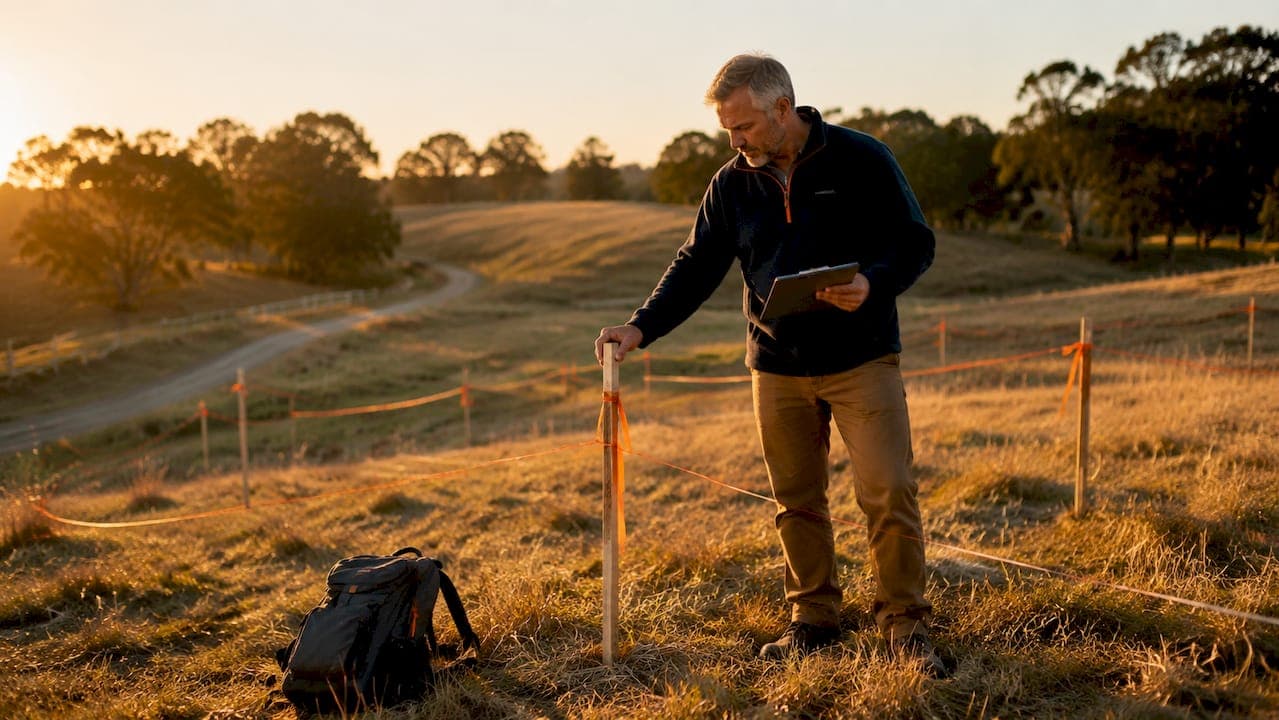
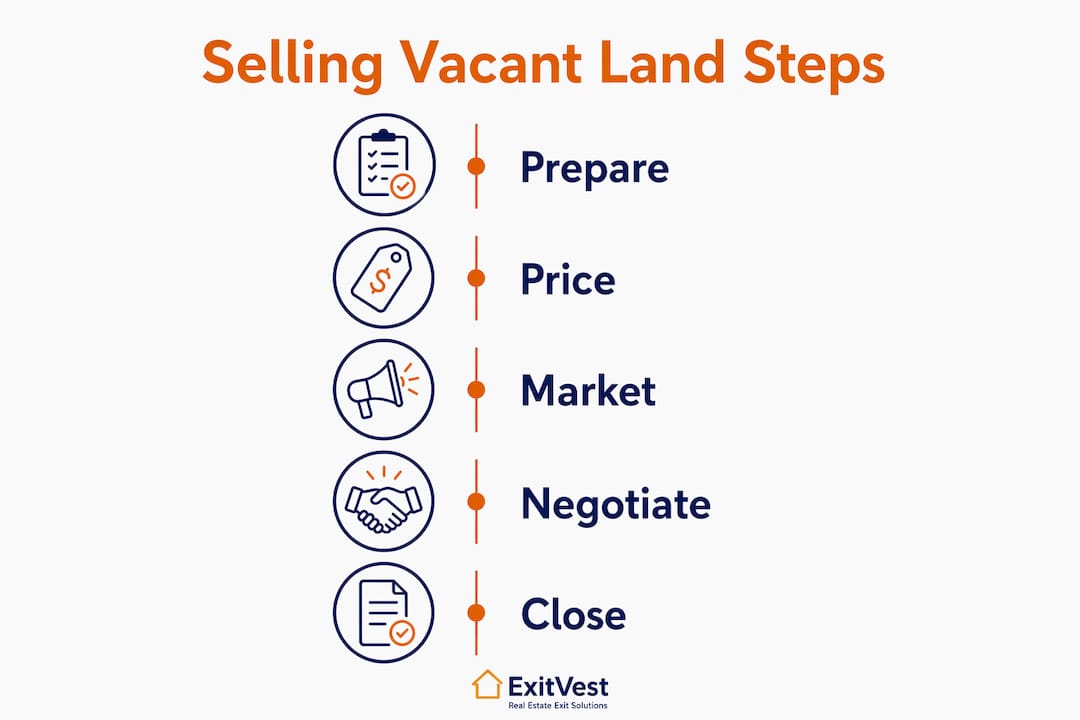
Selling vacant land is the process of preparing, pricing, marketing, and legally closing the sale of undeveloped property to secure a fast transaction at maximum value. Unlike selling a house, there is no staging, no inspection of appliances, and no emotional appeal to a living room. What buyers want instead is clear: legal road access, utility proximity, and confirmed zoning. Having paperwork ready before you list is the single biggest factor separating quick closings from deals that fall apart. This guide covers every step, from pricing to closing, so you can sell with confidence and speed.
Selling vacant land explained: how pricing determines your outcome
Pricing is where most land sales succeed or fail before a single buyer ever calls. Overpricing land 20% or more above comparable sold data is the number one reason parcels sit unsold for months. That means a parcel worth $40,000 listed at $48,000 or higher will likely collect dust while correctly priced neighbors sell.
The right method is to pull recent comparable sales, not asking prices, from county records or platforms like LandWatch and Landmodo. Asking prices reflect seller hope. Sold prices reflect market reality. Limit your comps to the last six months and within a reasonable radius of your parcel.
Several factors adjust your baseline price up or down:
- Deeded road access adds significant value; landlocked parcels sell at steep discounts
- Utility proximity (water, electric, sewer within 500 feet) increases buyer confidence and price
- Zoning classification (residential, agricultural, commercial) directly shapes the buyer pool
- Topography and soil quality matter for agricultural or buildable land
- Distance from town centers affects desirability for residential buyers
Owner financed land typically commands a slightly higher asking price than cash sales. Sellers who offer monthly payment terms justify a 10 to 15 percent premium because they are providing a financing service most banks will not. Price that premium in from the start rather than negotiating it in later.
Pro Tip: If you are unsure about your parcel's value, hire a licensed appraiser who specializes in land rather than residential property. A $300 to $500 appraisal can prevent a $10,000 pricing mistake.
What marketing strategies actually attract land buyers?
Most land sellers make one critical mistake: they list on Zillow and wait. Zillow serves home buyers. Land buyers shop differently, and reaching them requires a different set of channels.
Specialized platforms like Landmodo and LandWatch attract serious, motivated land purchasers that general real estate sites consistently miss. These buyers are already searching by acreage, zoning, and county. Your listing lands in front of the right audience from day one.
Beyond listing platforms, these tactics move land faster:
- Facebook Marketplace and land buyer groups: Search "land for sale" groups in your state. These communities contain active buyers who prefer off-market deals.
- Drone photography and map overlays: Drone imagery boosts buyer interest by 40%. A $150 drone shoot pays for itself many times over.
- Adjacent landowner outreach: Your neighbors are your most motivated potential buyers. A letter or phone call to the three to five parcels bordering yours costs nothing and often produces a fast, private sale.
- Detailed listing information: Include parcel number, GPS coordinates, zoning classification, access type, utility availability, and county tax information. Buyers who cannot find this data move on immediately.
Professional photos matter even for raw land. A well-lit aerial shot showing the parcel boundaries, surrounding roads, and nearby landmarks communicates more than a paragraph of text. Pair it with a simple map overlay from Google Earth or a county GIS system and your listing stands apart from 90 percent of competing parcels.
What legal steps are required to close a vacant land sale?
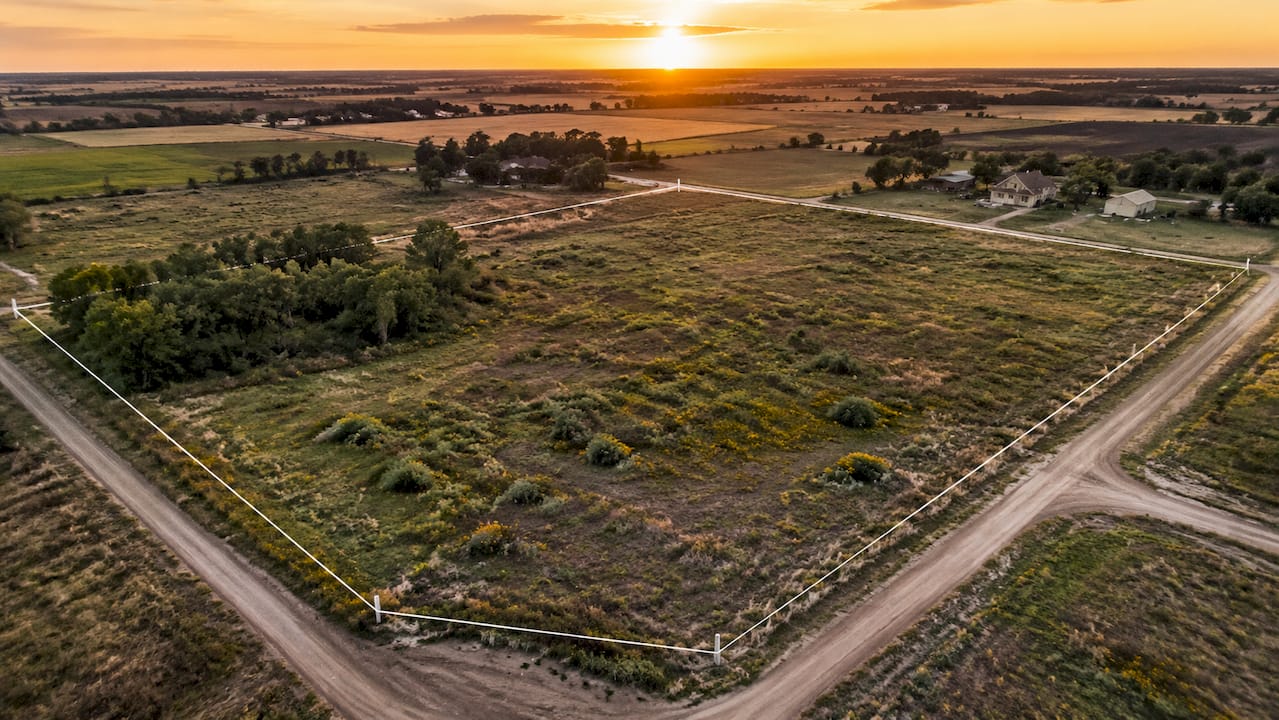
Land sales are structurally simpler than residential transactions, but the legal requirements are non-negotiable. Vacant land sales require fewer contingencies than home sales, but clear communication of legal and physical attributes is what builds buyer confidence and keeps deals from collapsing.
Follow these steps to protect yourself and the buyer through closing:
- Gather your documents before listing. You need the current deed, county tax records, zoning confirmation, survey (if available), and any utility easement documents. Buyers who request these and receive them immediately trust you. Buyers who wait a week often walk.
- Draft a purchase agreement. This contract defines price, earnest money, due diligence period, contingencies, and closing date. Use a real estate attorney or a state-specific template from a title company to get this right.
- Order a title search. A title company or real estate attorney searches public records to confirm you hold clear title and that no liens, back taxes, or encumbrances cloud the deed. This protects both parties.
- Obtain title insurance. Both buyer and seller benefit from title insurance. It covers errors in the title search and protects against future claims on ownership.
- Confirm closing costs. Title company fees for raw land typically run between $300 and $700, covering the title search, escrow, and deed recording. Costs are often split between buyer and seller, but this is negotiable.
- Set a due diligence period. Give buyers 14 to 30 days to verify zoning, conduct soil tests, and confirm access. A defined window keeps the timeline moving and prevents indefinite delays.
If you are selling without a realtor, a real estate attorney for closing is worth every dollar. Attorney fees for a straightforward land closing typically run $500 to $1,000 and eliminate the risk of a defective deed or missed lien.
How does owner financing change the land sale process?
Traditional bank loans for raw, undeveloped land are rare. Most lenders consider vacant land a high-risk asset and either decline the loan or require 30 to 50 percent down payments with high interest rates. This financing gap is your opportunity as a seller.
Only 30 to 40 percent of rural land buyers are cash buyers. The remaining 60 to 70 percent need financing to complete a purchase. If you list as cash only, you are cutting yourself off from the majority of your potential buyers. Owner financing lets you act as the lender, collect monthly payments, and often close in weeks instead of months.
| Feature | Cash sale | Owner financing |
|---|---|---|
| Buyer pool | 30 to 40% of market | 60 to 70% of market |
| Time to close | Days to weeks | Weeks (once terms agreed) |
| Sale price | Market rate | 10 to 15% premium justified |
| Seller risk | Minimal | Buyer default possible |
| Upfront proceeds | Full amount at closing | Down payment plus monthly income |
Owner financing contracts typically run 3 to 10 years with monthly payments. The seller holds the deed until the balance is paid, or records a deed of trust depending on state law. The default risk is real, but it is manageable with a solid promissory note, a meaningful down payment (10 to 20 percent), and a deed of trust that allows foreclosure if the buyer stops paying.
Pro Tip: Require a minimum 10 percent down payment on any owner financed deal. It filters out unserious buyers and gives you a financial cushion if the buyer defaults.
How does the closing process work for vacant land?
Closing a land sale follows a predictable sequence once buyer and seller agree on price and terms. The process moves fastest when both parties have their documents ready and use a title company or real estate attorney to coordinate.
A few practical points that protect you at the finish line:
- Verify wire transfer instructions by phone. Wire fraud during closings is a documented risk. Always call the title company directly using a number you find independently, not one from an email, to confirm wiring instructions before sending funds.
- Evaluate offers beyond price. A cash offer 5 percent below asking with a 10-day close is often worth more than a financed offer at full price with a 60-day close and multiple contingencies. Cash offers close faster and carry less risk of falling through.
- Know your walk-away number before negotiating. Decide the minimum you will accept before any offer arrives. Negotiating without a floor leads to emotional decisions and regret.
- Use escrow for earnest money. Never accept earnest money directly. A neutral escrow account held by the title company protects both parties if the deal falls through.
The role of the title company in a land closing is to confirm clean title, hold escrow, prepare the closing statement, record the deed with the county, and disburse funds. For a straightforward parcel sale, this process takes two to four weeks from signed contract to funded close.
Key takeaways
Selling vacant land quickly requires accurate pricing, targeted marketing, clean documentation, and a financing strategy that opens your sale to the widest possible buyer pool.
| Point | Details |
|---|---|
| Price from sold comps | Use sales from the last six months, not asking prices, to set a market-accurate list price. |
| Market on land-specific platforms | List on Landmodo and LandWatch to reach motivated buyers that general sites miss. |
| Prepare documents before listing | Having your deed, tax records, and zoning info ready builds buyer trust and speeds closing. |
| Offer owner financing | Opening your sale to financed buyers expands your pool from 30 to 40 percent to 60 to 70 percent of the market. |
| Verify wire transfers by phone | Always confirm closing wire instructions directly with the title company to prevent fraud. |
What I've learned from watching land deals succeed and fail
After working through dozens of vacant land transactions, the pattern is consistent. Sellers who prepare win. Sellers who wing it wait.
The most common mistake I see is emotional pricing. A seller inherited 10 acres from a grandparent, assigns sentimental value to it, and lists at twice the market rate. Six months later, nothing has moved. The land has not gotten more valuable. The seller has just lost six months of holding costs, property taxes, and opportunity. Price to the market, not to your memories.
The second mistake is treating land like a house listing. Posting three blurry photos and a vague description on a general real estate site produces almost no qualified leads. Land buyers want parcel numbers, GPS pins, zoning documents, and access details. Give them everything upfront. Buyers who have to ask basic questions often do not ask. They just move on.
Owner financing is underused by private sellers who worry about complexity. The mechanics are straightforward: a promissory note, a deed of trust, and a payment schedule. An attorney can draft this for under $500. In return, you access the majority of the buyer market instead of the minority, and you often collect a higher total sale price. The math almost always favors offering it.
Finally, drone footage is not optional anymore. It is the difference between a listing that gets clicks and one that gets ignored. A single aerial pass showing the parcel, its road access, and surrounding landmarks does more selling than any paragraph you write.
Preparation, realistic pricing, and targeted marketing are not complicated. They are just disciplined. Do all three and your land sells. Skip any one of them and you will be relisting in six months wondering what went wrong.
— Alek
Ready to skip the process entirely? Exitvest buys land fast
If you want to sell your vacant land without managing listings, negotiations, title searches, or financing arrangements, Exitvest offers a direct path. We buy land nationwide, with strong coverage in New Jersey, Texas, Florida, and Tennessee.
There are no realtor commissions, no repairs, and no waiting on bank approvals. FSBO sellers save 6 to 10 percent in commissions through direct sales, and Exitvest takes that further by handling every step for you. You describe your property, we make a fair cash offer, and you choose the closing timeline. Get a cash offer today and find out what your land is worth with zero pressure and no obligation. If you want to understand the full process first, see how it works before you commit to anything.
FAQ
What is the fastest way to sell vacant land?
The fastest way to sell vacant land is to price it accurately using recent comparable sales, list on specialized platforms like Landmodo and LandWatch, and offer owner financing to reach the full buyer market. Sellers who have all documents ready at listing close significantly faster than those who gather paperwork after an offer arrives.
Do I need a realtor to sell vacant land?
No. Vacant land sales are structurally simpler than home sales and many sellers complete them without a realtor. Using a real estate attorney for the closing and a title company for the title search covers the legal requirements without paying a 6 percent commission.
How do I price vacant land correctly?
Pull sold comparable parcels from county records or platforms like LandWatch within the last six months. Adjust for access, utilities, zoning, and acreage. Avoid pricing based on what you paid or what you hope to get. Overpricing by 20 percent or more is the leading reason land sits unsold.
What documents do I need to sell vacant land?
You need the current deed, county tax records, zoning confirmation, a recent survey if available, and any easement or utility documents. Having these ready before listing builds buyer trust and prevents delays after an offer is signed.
What are typical closing costs for a vacant land sale?
Title company fees for raw land transactions typically run between $300 and $700, covering the title search, escrow, and deed recording. These costs are often split between buyer and seller, though the split is negotiable in the purchase agreement.