

Selling a distressed house in St. Louis means choosing between speed and maximum profit, and most homeowners in financial or property distress choose speed. A distressed property is any home that is difficult to sell through traditional channels because of physical damage, financial pressure, or legal complications. Cash buyers, as-is listings, and traditional sales with repairs are the three main paths available. Each carries real trade-offs. This guide breaks down what qualifies as a distressed property in St. Louis, which selling method fits your situation, and how to close without costly mistakes.
What counts as a distressed house in St. Louis?
A distressed property is defined as any home where the owner faces pressure to sell quickly due to financial hardship, physical damage, or legal circumstances. In St. Louis, that covers a wide range of situations that many homeowners do not immediately recognize as "distress."
Common conditions that qualify a property as distressed:
- Foreclosure risk: You are behind on mortgage payments and facing lender action.
- Structural damage: Foundation cracks, roof failure, fire or water damage that makes the home difficult to finance.
- Inherited property: You received a home you cannot afford to maintain or do not want to manage.
- Flood or storm damage: St. Louis sits along the Mississippi River flood plain, making flood-damaged homes a recurring local reality.
- Problem tenants or vacancy: A rental property with non-paying tenants or one that has sat empty for months.
- Financial hardship: Divorce, medical bills, job loss, or any situation requiring fast liquidity.
Local market conditions in St. Louis add another layer. Older housing stock in neighborhoods like Baden, Dutchtown, and Bevo Mill often carries deferred maintenance that pushes properties into distressed territory faster than in newer suburban markets. A thorough property assessment is the first step. Undisclosed issues cause legal liability and delay sales, so knowing exactly what you are dealing with before you list or negotiate protects you.
Pro Tip: Get a pre-sale inspection even if you plan to sell as-is. It gives you documentation that protects against future buyer claims and helps you price the property accurately.
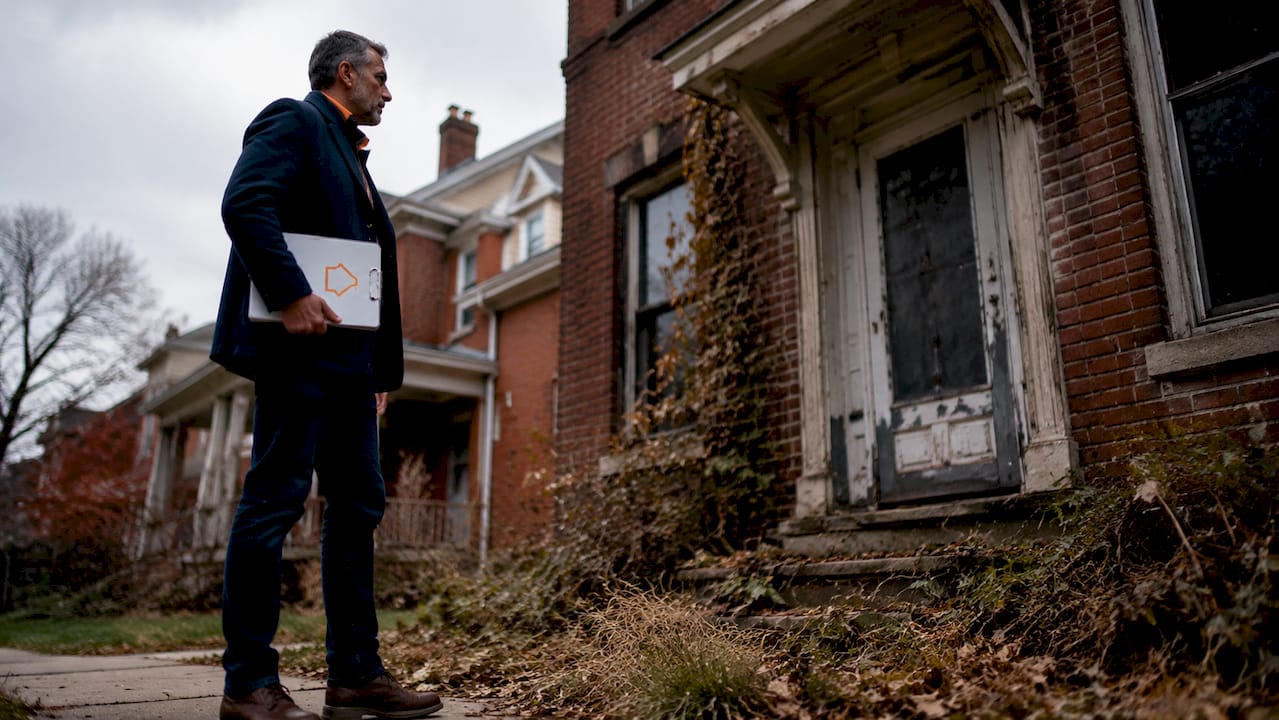
Cash buyers vs. listing on the open market: which is right for you?
The core decision for any homeowner looking to sell a damaged house comes down to one question: do you need certainty and speed, or are you willing to wait for a higher price?

| Factor | Cash buyers (as-is) | Traditional listing (after repairs) |
|---|---|---|
| Sale timeline | As fast as 7 days | 60–120 days or more |
| Price received | Typically around 70% of ARV minus repair costs | Closer to full market value |
| Repairs required | None | Significant investment often needed |
| Financing risk | None (cash closes) | Buyer financing can fall through |
| Disclosure complexity | Still required by Missouri law | Required, plus inspection contingencies |
| Realtor fees | Usually none | Typically 5–6% of sale price |
Cash buyers pay less to cover renovation costs and market risk. That is the trade-off, and it is a real one. However, selling as-is offers faster, simpler sales with far less uncertainty. For homeowners facing foreclosure deadlines or urgent financial pressure, certainty of closing often matters more than the final dollar amount.
Traditional listings can yield more money, but only if you have the capital to make repairs and the time to wait. A kitchen renovation in St. Louis averages tens of thousands of dollars, and there is no guarantee the market will reward that investment fully. Local agents experienced in distressed properties can help you calculate whether repairs pencil out before you commit.
Pro Tip: Request offers from at least two or three cash buyers before accepting. Offer prices vary significantly between investors, and a quick comparison costs you nothing but a few phone calls.
How to sell a distressed property in St. Louis: step by step
A fast, clean sale requires preparation even when you are selling as-is. Skipping steps here is what leads to delayed closings and legal headaches.
-
Assess the property honestly. Walk every room and document visible damage with photos. Note structural issues, water damage, electrical problems, and anything that affects habitability. This documentation becomes your disclosure record.
-
Understand Missouri's disclosure requirements. Missouri law requires sellers to disclose known hazardous materials. Missouri sellers must disclose asbestos and other known property damage during the sale process. Older St. Louis homes built before 1980 frequently contain asbestos in insulation, floor tiles, or roofing materials. Failing to disclose is not a shortcut. It is a liability.
-
Choose your selling method. If you need to close in under 30 days, cash buyers are the practical choice. If you have 90 days or more and some capital, a traditional listing after targeted repairs may net you more. Homeowners who prioritize profit over speed should repair and list traditionally. Everyone else should consider as-is options.
-
Contact cash buyers or list with a distressed-property agent. For cash sales, reach out to multiple buyers and request written offers. For traditional listings, find an agent who has closed distressed sales in St. Louis specifically. Generic agents often underprice or overprice damaged homes. You can review cash buyer options in St. Louis to understand what local investors typically look for.
-
Review and negotiate offers. Cash offers are not take-it-or-leave-it. Negotiate the closing date, any seller concessions, and whether the buyer covers closing costs. Cash sales can close in as little as seven days when both parties are motivated and paperwork is clean.
-
Complete disclosure forms and sign the contract. Missouri uses a standard seller's disclosure form. Fill it out completely and accurately. Your attorney or title company will handle the closing mechanics.
-
Close and receive payment. Cash closings are straightforward. No appraisal contingency, no lender underwriting delays. You sign, the title transfers, and funds arrive typically within 24–48 hours of closing.
Common mistakes that cost St. Louis homeowners money and time
Most problems in distressed sales are avoidable. They come from rushing decisions or misunderstanding the process.
-
Skipping disclosure. Missouri's disclosure laws on hazardous materials are strict. Sellers who omit known damage face lawsuits after closing. Document everything and disclose it.
-
Accepting the first offer without comparison. Cash buyers vary widely in their offers. One investor might offer $90,000 on a property another values at $115,000. Getting multiple offers takes a few days and can mean tens of thousands of dollars.
-
Failing to vet the buyer. Not every "we buy houses" company in St. Louis is reputable. Ask for proof of funds, check reviews, and confirm the buyer has closed similar deals locally. A buyer who cannot show funds is wasting your time.
-
Ignoring local market conditions. St. Louis neighborhoods perform differently. A distressed home in Tower Grove South sells differently than one in north St. Louis County. Pricing without local knowledge leads to sitting on the market or leaving money behind.
-
Overestimating repair ROI. Homeowners sometimes spend $30,000 on renovations expecting to recover $50,000 in sale price. That math rarely works in distressed neighborhoods. Get a contractor estimate and a realistic after-repair value from a local agent before committing to repairs.
"The fastest, most predictable way to sell a distressed property is through cash buyers who specialize in as-is purchases, removing financing uncertainty." — Redfin
Understanding foreclosure effects on sellers in markets like St. Louis can also help you act before a lender forces your hand at a worse price.
Key Takeaways
Selling a distressed house in St. Louis fast requires choosing cash buyers for speed or traditional listings for price, with full Missouri disclosure compliance at every step.
| Point | Details |
|---|---|
| Define your distress type | Identify whether your situation is financial, structural, or legal before choosing a sale method. |
| Cash buyers close fastest | As-is cash sales can close in as little as 7 days, removing financing and repair uncertainty. |
| Expect below-market offers | Cash buyers typically offer around 70% of after-repair value to cover renovation and risk costs. |
| Missouri disclosure is mandatory | Sellers must disclose asbestos and known damage; skipping this creates post-sale legal liability. |
| Compare multiple offers | Request offers from at least two or three buyers before signing to avoid leaving money on the table. |
What I've learned from watching distressed sales go wrong in St. Louis
Most homeowners in distress make the same mistake: they treat the sale as a single decision rather than a sequence of smaller ones. They either rush into the first cash offer they receive, or they delay for months hoping the market will reward a property that needs serious work.
The St. Louis market is not forgiving of indecision on distressed properties. Carrying costs, property taxes, and maintenance on a vacant or damaged home add up fast. Every month you wait costs real money, and that cost often exceeds the difference between a cash offer and a traditional sale price.
What actually works is getting clear on your constraints first. If you have a foreclosure notice with a 60-day window, a cash sale is not just convenient. It is the only realistic option. If you have six months and $20,000 in available capital, a targeted repair and traditional listing might net you significantly more. The mistake is applying the wrong strategy to the wrong situation.
I have also seen homeowners underestimate how much local knowledge matters. A cash buyer who specializes in St. Louis distressed properties understands neighborhood-level values, local contractor costs, and what buyers in that zip code actually want. That knowledge shows up in their offers. Working with buyers or agents who know the St. Louis market specifically produces better outcomes than working with national platforms that treat every city the same.
Finally, do not let the emotional weight of a distressed sale push you into a bad deal. These situations are stressful. But stress is not a reason to accept an offer that is $30,000 below what a second buyer would have paid.
— Alek
How Exitvest helps St. Louis homeowners sell as-is for cash
Exitvest works with homeowners in exactly the situations described in this article: foreclosure risk, inherited properties, flood damage, problem tenants, and homes that simply need too much work to list traditionally.

The process is direct. You share your property details, Exitvest evaluates the home as-is, and you receive a cash offer without repair requirements or realtor fees. Closing timelines are flexible and built around your situation, not a lender's schedule. For homeowners who need a fast, no-pressure sale, Exitvest removes the uncertainty that makes distressed sales so difficult. You can also review how the process works before you commit to anything.
FAQ
What qualifies as a distressed house in St. Louis?
A distressed house is any property where the owner faces pressure to sell quickly due to financial hardship, physical damage, foreclosure risk, or legal complications such as inherited title issues. Flood damage, structural problems, and deferred maintenance all qualify.
How fast can I sell my house as-is in St. Louis?
Cash buyers can close in as little as seven days when paperwork is complete and both parties are ready. Traditional listings, even for as-is properties, typically take 60 days or more.
Do I have to disclose damage when selling a distressed home in Missouri?
Missouri law requires sellers to disclose known hazardous materials, including asbestos, and any known property damage. Failing to disclose creates legal liability after the sale closes.
How much will a cash buyer offer for my distressed St. Louis home?
Most cash buyers offer approximately 70% of the home's after-repair value, minus estimated renovation costs. The exact figure depends on the property's condition, location, and current local market conditions.
Should I repair my house before selling or sell it as-is?
Homeowners with time and capital should consider repairs and a traditional listing to maximize sale price. Homeowners facing deadlines, financial pressure, or properties with major structural issues are better served by an as-is cash sale.